

Since when did ingesting bacteria make us healthier? For centuries, doctors have understood the connection between good food and good health, but it hasn’t been until recently that doctors and nutritionists have started to recognize the relationship between ingesting good bacteria and good health. One of the fastest growing and widely supported trends in the health food industry is probiotics—live bacteria and yeast that benefit the digestive system and the general health of a person. According to Agriculture and Agri Food Canada, 35 per cent of Canadians have consumed probiotics, and 56 per cent said they are probably going to.. READ MORE »

With new studies, claims, and counterclaims being made all the time, people often have differing beliefs over what the best approach is to diet. Sports nutrition, in particular, is in a state of constant change, as nutritionists, trainers, and athletes constantly modify diet plans in a bid to gain an advantage over the competition. Unfortunately, this has resulted in a lot of misinformation over the years. Athletes have come to believe that certain things are helping them when they have no effect at all—or worse, are actually hurting their chances of success. For students pursuing sports nutritionist certificates, separating myth.. READ MORE »

Professionals with nutrition training know that the nutritional need of each athlete depends on many factors. A 200-pound body-builder will, after all, have very different nutritional requirements than a lean marathon runner. That’s why certified nutrition experts carefully craft each athlete’s diet plan according to their individual needs as well as the type of training they do. If you’re considering a career as a nutritionist, read on to learn how you can help endurance athletes go the extra mile. Carbohydrates: The Macronutrient of Choice for Endurance Nutrition and Health Training Carbohydrates are often the fuel of choice for endurance athletes,.. READ MORE »

Flu Season is upon us! And while there are many ways to protect yourself from getting sick, here are five prevention tricks you may not have known about. 1.Eat foods containing zinc Zinc naturally interferes with viruses trying to access the body’s cells. By blocking certain metabolic activity, zinc can help to prevent the flu from settling into your body. Foods that are rich with zinc include oysters and squash. While zinc isn’t a cure, it may definitely offer some protection. 2. Add some garlic to your daily routine Garlic contains antibacterial, antiviral and antifungal properties, which can prevent.. READ MORE »

New Year’s resolution season is upon us. At this time of year, it’s normal to see a flood of new gym memberships and healthy food purchases, as people pledge to take better care of themselves, only for all those good intentions to fall away within a few short months. So why do so many people fail to keep their resolutions? Some people set goals that are either too vague or too unrealistic to follow, while others fail to organize themselves to follow through, adopt unsustainable fad diets, or lose heart when they experience setbacks. Fortunately, professionals with nutrition training can.. READ MORE »

AAPS is excited to share two new nutrition workshops beginning in the new year! Brain Foods and Stress Busters February 11, 2016 Time: 9:00 am to 12:00 pm Price: $185 Learn nutritional strategies that will help you: – Manage stress – Develop mental and physical alertness – Prevent excess fat storage – Prevent mood fluctuations – Reduce cravings The Secrets of Anti-Aging and Longevity February 11, 2016 Time: 1:30 pm to 4:30 pm Price: $185 You will learn: – What causes aging – What your skill is telling you – How diet and lifestyle contribute to aging – Anti-aging protocols.. READ MORE »

People do all sorts of things to ward off illness during the winter months, like wrapping themselves up in warm blankets, taking cold medication, and receiving flu vaccines. However, one thing very few people think to do is change their diets in order to boost immunity. Exposure to cold weather lowers our core body temperatures, weakening our immune system and leaving us prone to colds and other seasonal bugs. There are a number of healthy foods that do wonders for rebuilding and strengthening immune systems. For nutrition students, adding extra immunity-boosting foods to meal plans during winter is important, as.. READ MORE »
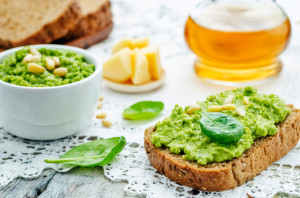
Think it’s impossible for a pro athlete to go vegan? Learn how nutritionists are making vegan diet plans work in all kinds of sports—from body building to endurance training and beyond!

If you’re interested in becoming a certified nutritionist, you likely already know that food is more than just fuel for the body. A carefully crafted, healthy diet is proven to reduce a person’s risk of both physical and mental illnesses, and even certain types of cancer. “Superfoods” are foods that today’s health scientists find to have great nutritional value. Understanding which foods to eat for specific benefits will be your job as a nutritionist, so having a working knowledge of superfoods is essential. Whether you are planning to enroll in nutrition courses, or you have recently started your program, read.. READ MORE »

Sports supplements have become such a common sight that it’s hard to imagine them as potentially harmful. We pass by nutritional supplement stores while shopping at the mall, we see advertisements on TV, and they’re openly available on the internet from seemingly trustworthy websites like BodyBuilding.com. The truth is that although supplements are packaged professionally and may be sponsored by a famous celebrity, they usually haven’t received FDA approval. While FDA approval isn’t mandatory to market a sports supplement, all manufacturers must comply with FDA guidelines for accurate marketing and labelling. Because supplement regulation is such a grey area, some.. READ MORE »