


TL;DR
AAPS College’s Food Technology, Safety, and Quality Diploma Program emphasizes how food technology plays a critical role in ensuring that food products are safe, consistent, and compliant from raw ingredients to final packaging. Trained professionals oversee quality systems, safety controls, and regulatory compliance throughout the production process.
Every food product on a store shelf represents hundreds of decisions made behind the scenes. From sourcing raw ingredients to packaging the final product, food safety and consistency are never left to chance. This is where food technology plays a vital role, ensuring products meet strict safety standards while maintaining the same quality consumers expect every time.
Professionals trained through a Food Technology, Safety, and Quality Diploma Program understand how to manage these processes from start to finish. This blog post explores how food technology supports safety and consistency across the production lifecycle, the role professionals play, and how specialized training prepares graduates for this responsibility.
How Does Food Technology Ensure Safety and Quality from Raw Ingredients to Final Packaging?
Food technology applies scientific principles, quality systems, and regulatory standards at every stage of production. It begins with raw ingredient sourcing, where suppliers are evaluated, and materials are tested for contamination, allergens, and compliance.
As ingredients move through processing, food technology professionals monitor temperature controls, sanitation procedures, and equipment performance. Final packaging is also tightly controlled to prevent contamination and preserve shelf life. Agencies such as Health Canada set national food safety standards that guide these processes, helping protect public health across Canada.

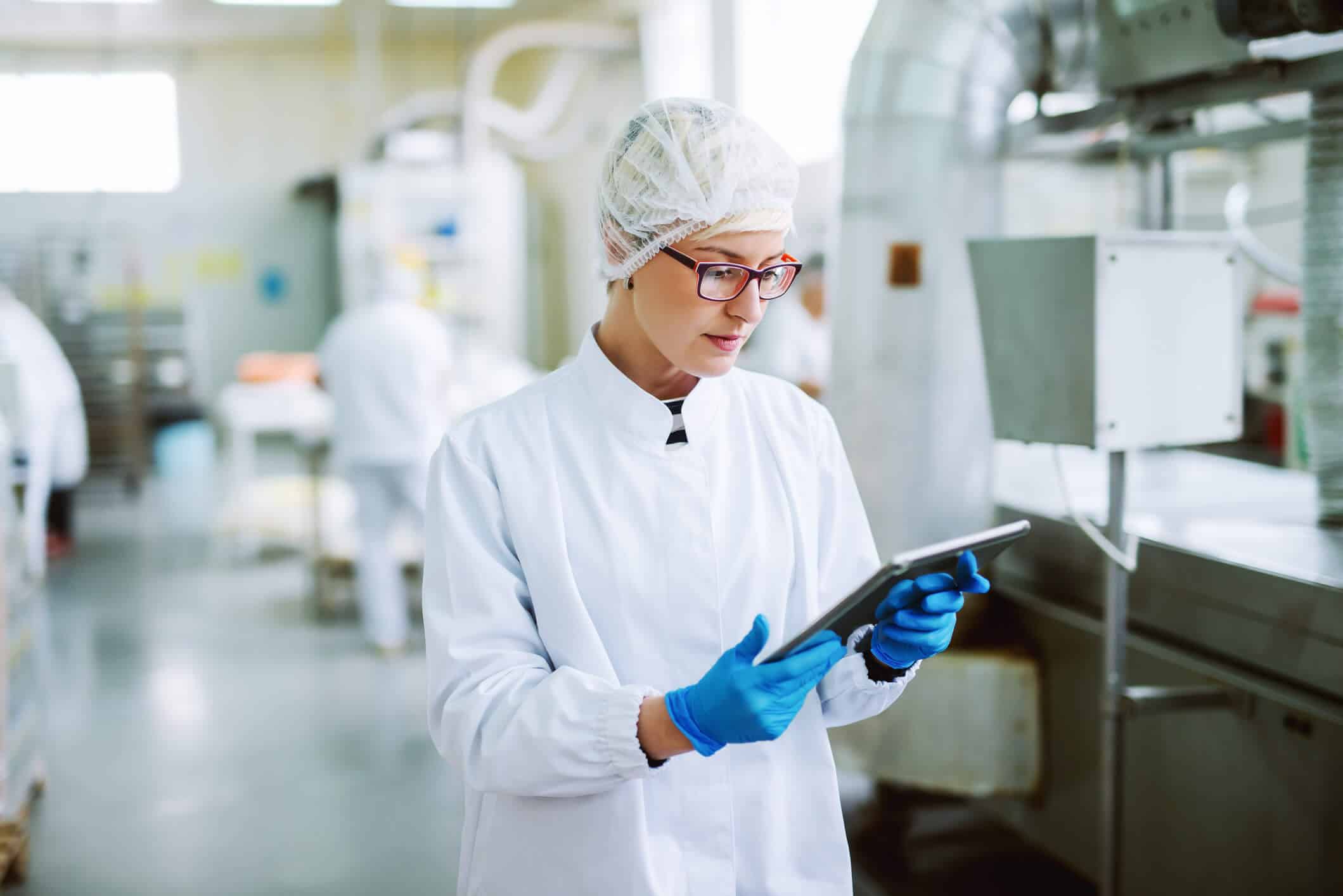
Food technology training prepares students to manage real-world quality systems.
What Role Do Food Technology Professionals Play in Maintaining Product Consistency?
Consistency is just as important as safety. Consumers expect the same taste, texture, and appearance every time they purchase a product. Food technology professionals achieve this by developing standardized formulations, monitoring production variables, and conducting regular quality checks.
Even small changes, such as ingredient variability or equipment wear, can affect product outcomes. Food technologists identify and correct these issues early, ensuring consistency across batches and production runs.
Why Process Control Is Essential in Food Manufacturing
Process control is the backbone of food production. Food technology professionals use documented procedures, monitoring systems, and corrective action plans to keep operations within safe and acceptable limits.
Organizations like the Canadian Food Inspection Agency (CFIA) emphasize preventive control plans that reduce risk before problems occur. These systems help manufacturers avoid recalls, reduce waste, and maintain compliance with regulatory requirements.

A food safety diploma teaches proper inspection of raw food ingredients.
How Does Food Technology Training Prepare Graduates to Manage Food Safety and Quality Control?
Professional food technology training combines theory with practical application. Students learn about microbiology, hazard analysis, sanitation, quality systems, and regulatory frameworks used in food manufacturing.
Hands-on training helps students understand how safety plans are implemented on production floors. From conducting inspections to documenting corrective actions, graduates are prepared to support real-world operations confidently and accurately.
Why Is a Food Safety Diploma Important for Careers in Food Production and Manufacturing?
A food safety diploma shows that a professional understands both regulatory expectations and operational realities. Employers rely on trained staff to protect brand reputation, ensure compliance, and maintain consumer trust.
With food safety regulations becoming increasingly complex, trained professionals are essential across production, quality assurance, and regulatory roles. A diploma provides the foundation needed to step into these responsibilities with confidence.

Food technology ensures finished products meet safety and quality standards.
Protects Consumers and Brands With A Food Technology, Safety and Quality Diploma Program
Food technology protects consumers and businesses. Effective safety and quality systems reduce recalls, prevent contamination incidents, and support long-term brand trust.
By overseeing every stage of production, food technology professionals ensure that products meet legal standards and consumer expectations alike.
For students interested in food manufacturing, quality assurance, or regulatory roles, formal education provides a strong starting point. The Food Technology, Safety, and Quality Diploma Program at AAPS prepares students to manage safety systems, quality control processes, and compliance requirements across food production environments.
Are you looking for a comprehensive food safety diploma program?
Contact AAPS for more information.
Key Takeaways
- Food technology ensures safety from raw ingredients to final packaging
- Consistency is maintained through standardized processes and monitoring
- Trained professionals play a critical role in food manufacturing
- Food safety education supports regulatory compliance and consumer trust
FAQ: Food Technology, Safety, and Quality
Q: How does food technology ensure safety and quality from raw ingredients to final packaging?
A: Food technology applies scientific principles, quality systems, and regulatory standards at every stage of production. It begins with raw ingredient sourcing, where suppliers are evaluated, and materials are tested for contamination, allergens, and compliance.
Q: What role do food technology professionals play in maintaining product consistency?
A: Consistency is just as important as safety. Consumers expect the same taste, texture, and appearance every time they purchase a product. Food technology professionals achieve this by developing standardized formulations, monitoring production variables, and conducting regular quality checks.
Q: How does food technology training prepare graduates to manage food safety and quality control?
A: Professional food technology training combines theory with practical application. Students learn about microbiology, hazard analysis, sanitation, quality systems, and regulatory frameworks used in food manufacturing.
Q: Why is a food safety diploma important for careers in food production and manufacturing?
A: A food safety diploma shows that a professional understands both regulatory expectations and operational realities. Employers rely on trained staff to protect brand reputation, ensure compliance, and maintain consumer trust.


 1-855-502-2288