



At AAPS, students in our Personal Support Worker Certificate program learn practical techniques that help them enter the field with confidence, especially when supporting residents facing cognitive decline. Caring for residents living with dementia requires patience, compassion, and highly refined communication skills.
Personal Support Workers (PSWs) are often the primary point of contact for individuals experiencing memory loss, confusion, and behavioural changes, making their role especially meaningful. With the right strategies, PSWs can create a sense of safety and dignity for residents, while also supporting their emotional and physical well-being.
Below are some of the most effective dementia communication tips and care approaches that every PSW can bring to their daily practice.
Speak With Calm, Clarity, and Respect
Communication is at the heart of dementia care. Residents often have difficulty processing complex information, remembering details, or interpreting tone. Speaking slowly, using simple sentences, and maintaining eye contact can help residents feel grounded.
Gentle body language, such as smiling, nodding, or sitting at eye level, reduces anxiety and builds trust. Avoid correcting or arguing when a resident is confused. Validation, reassurance, and presence often matter more than the words themselves.
These examples of interpersonal practices are emphasized throughout AAPS’ personal support worker courses, ensuring graduates are ready to support residents compassionately and professionally.
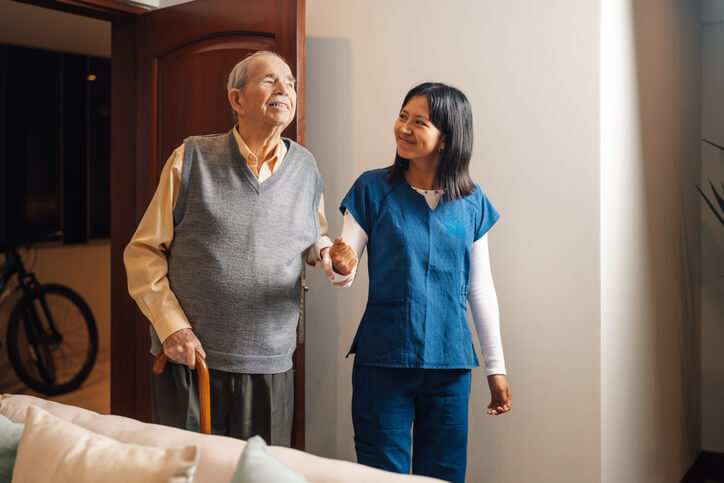
Interpersonal practices are emphasized throughout AAPS’s personal support worker courses.
Use Validation and Gentle Redirection
When a resident is distressed, repeating questions, or focused on an incorrect memory, PSWs can use gentle redirection methods to ease the situation. This might involve acknowledging their feelings (“I can see that you’re worried”), then guiding them toward a comforting activity or a neutral topic.
Validation helps residents feel understood, even if the details are not accurate. Redirection avoids conflict while maintaining the resident’s dignity, one of the most important goals in dementia care.
Create a Calm, Supportive Environment
A confusing or overstimulating environment can increase agitation, wandering, or emotional distress. Establishing a calm environment for residents helps prevent behavioural symptoms before they emerge.
Effective strategies include:
- Soft lighting to reduce overstimulation
- Familiar objects or photos for comfort
- Clear, uncluttered pathways to prevent falls
- Minimizing loud or sudden noises
PSWs also monitor temperature, room layout, and sensory triggers that may affect behaviour. Students in our PSW program in Ontario learn how environmental adjustments contribute to safety, comfort, and emotional stability.
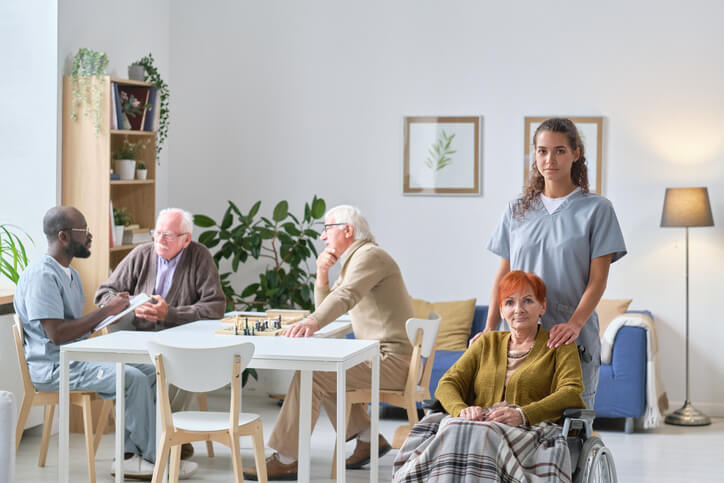
Establishing a calm environment for residents helps prevent behavioural symptoms.
Support Daily Routines with Patience
Routine is essential for residents experiencing memory loss. Predictable schedules help reduce confusion and build a sense of security. During personal care tasks, such as bathing or dressing, PSWs can offer step-by-step cues and encourage residents to participate at their own pace.
Allowing residents to do as much as they can independently supports dignity and preserves functional abilities for as long as possible.
Strengthen Observation and Problem-Solving Skills
Behavioural changes often signal unmet needs, such as pain, hunger, dehydration, or discomfort. PSWs trained through AAPS’ Personal Support Worker Certificate program learn to observe non-verbal cues, track patterns, and respond quickly.
Strong personal support worker skills include:
- Noticing changes in mobility or behaviour
- Reporting concerns to nursing staff
- Documenting incidents accurately
- Ensuring safety during wandering or agitation
These abilities make PSWs essential partners in resident-centred dementia care.

Communicating empathetically is one of the key personal support worker skills.
Earn a Personal Support Worker Certificate at AAPS
Personal Support Workers play a vital role in protecting the dignity, comfort, and independence of residents living with dementia. AAPS prepares future PSWs with hands-on training, scenario-based practice, and the confidence to support individuals with empathy and professionalism.
Explore how our Personal Support Worker Certificate can prepare you for meaningful work in long-term care, retirement settings, and community support roles.
Are you seeking comprehensive personal support worker courses?
Contact AAPS for more information.


 1-855-502-2288