

Are you a pharmaceutical quality assurance professional seeking to strengthen your expertise in out-of-specification (OOS) investigations within testing labs? This critical area of QA can be challenging yet essential for ensuring product quality and regulatory compliance. Join us on November 14, 2024, for a comprehensive workshop on mastering OOS investigations explicitly designed for professionals like you. Why This Workshop Is Essential OOS results are a top priority for regulatory authorities. When test results fall outside predefined specifications, it’s not simply a “red flag” but a call for immediate and thorough investigation to maintain product integrity and regulatory compliance. Effective OOS.. READ MORE »
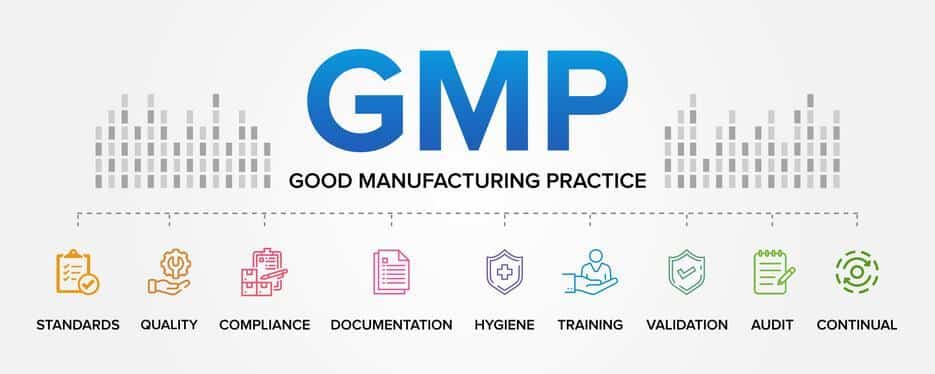
Quality Assurance training is crucial for preparing GMP audits and ensuring compliance with stringent regulatory standards in the pharmaceutical industry. These audits, though daunting, can become opportunities to strengthen your processes, systems, and product quality with the proper preparation and strategies. Below, we outline some best practices for preparing for GMP audits and achieving consistent, successful outcomes. Understand Regulatory Requirements With Our Comprehensive Quality Assurance Training The first step in preparing for a GMP audit is understanding the relevant regulatory requirements. Since GMP guidelines and regulations vary by region and market, staying informed about guidelines specific to your product type.. READ MORE »

The Canadian Quality Assurance (QA) industry is tough to navigate, requiring more than just technical skills—it takes determination, education, and experience. Aishwarya Venkatasubramanian, a recent graduate of the AAPS Quality Assurance and Regulatory Affairs (QARA) post-graduate diploma program, exemplifies this. In this blog, we explore Aishwarya’s journey from biotechnology to a successful career in Quality Assurance, with comprehensive support from AAPS College. A Passion for Healthcare and Education Aishwarya’s passion for healthcare has driven her journey from completing a master’s in biotechnology in India to navigating new challenges in Canada. Upon arrival, she balanced her personal life and career ambitions,.. READ MORE »

The pharmaceutical and biotech industries are well known for maintaining high standards of quality and compliance, and Quality Assurance (QA) professionals are instrumental in ensuring that products meet the rigorous standards set by regulatory bodies. One of the key resources guiding these professionals is the United States Pharmacopeia (USP), a compendium of drug standards that provides guidelines for product quality, purity, strength, and consistency. Understanding and navigating the USP is essential for QA professionals to ensure compliance and maintain product quality. This blog post explores the USP’s importance and what QA professionals must know to follow its guidelines. The Importance.. READ MORE »

Maintaining the integrity of pharmaceutical products is paramount in the pharmaceutical quality assurance (QA) training industry. One essential component of QA in pharmaceutical training is compliant temperature mapping. This process ensures that pharmaceutical products are stored and transported within their designated temperature ranges, preserving their efficacy and safety. Understanding temperature mapping is crucial for QA professionals. AAPS’s upcoming workshop can provide invaluable insights into this vital area. Why Temperature Mapping Matters in Pharma QA Training Temperature is a critical factor in the storage and transportation of pharmaceutical products. Each medication has specific storage requirements, including the optimal temperature, outlined on.. READ MORE »

Maintaining high standards of quality is an absolute necessity in highly regulated industries such as pharmaceuticals, biopharmaceuticals, and medical devices. One of the essential components of a robust Quality Assurance (QA) system is a well-developed Corrective and Preventive Action (CAPA) strategy. An effective CAPA strategy addresses immediate compliance issues and implements long-term improvements to prevent future occurrences. This blog post explains the value of an effective CAPA strategy and provides insights on how to build one. The Importance of an Effective CAPA Strategy A CAPA strategy is crucial for several reasons: Regulatory Compliance: Regulatory bodies require organizations to have CAPA.. READ MORE »

Navigating the job market can be incredibly challenging for recent study-abroad graduates. These challenges are magnified in specialized fields like pharmaceutical quality assurance. In this sector, technical expertise and detailed industry knowledge are crucial, but having the proper guidance and industry connections often plays a decisive role in achieving career success. Ashkan Farahi, a graduate of AAPS College, is a prime example of a study-abroad student who overcame these obstacles to secure his dream job in the competitive pharmaceutical and cosmetic industry. His journey from academic preparation through practical training to professional success illustrates how effective the blend of targeted.. READ MORE »

Quality Assurance (QA) remains one of the most critical aspects of the cannabis industry. It is so important, that cannabis companies are required to have a Quality Assurance Person (QAP) listed on their license application with Health Canada. AAPS’s upcoming Cannabis Quality Assurance webinar is excellent for anyone interested in learning more about this crucial role within the cannabis industry and obtaining the educational credentials required for this in-demand role. This comprehensive online program delves into the essential elements of a robust QA program, equipping you with the knowledge and understanding to thrive in this specialized field. Meet Our Expert.. READ MORE »

In the pharmaceutical industry, technical writers are indispensable for upholding stringent quality assurance standards. They meticulously document every aspect of drug development and manufacturing processes, ensuring that procedures are articulated and compliant with regulatory requirements. This documentation serves as a critical foundation for quality control, enabling consistent execution of processes and facilitating regulatory audits. Technical writers help bridge the gap between complex scientific information and practical implementation by producing detailed standard operating procedures (SOPs), validation reports, and quality manuals. Their work ensures that pharmaceutical products are made safely, effectively, and per the highest quality standards, ultimately safeguarding public health. Due.. READ MORE »

The cannabis industry is assuming a more liberal and contemporary outlook, yet it is one of the most regulated industries in the world. The industry’s complex regulatory landscape and high product quality and safety standards present unique challenges and opportunities for professionals. A Quality Assurance for Cannabis Certificate can be a game-changer for those looking to excel in this burgeoning field. A Quality Assurance for Cannabis Certificate from AAPS is more than just an educational achievement; it’s a strategic career move. It equips you with a robust understanding of regulatory compliance, quality control, safety standards, and specialized knowledge in edible.. READ MORE »