

If you have a sweet tooth, you’ve likely heard the recent rumour that chocolate is good for your health. If you decide to pursue a career in clinical research, you’ll be doing the work that ensures such claims are valid, bringing new and tasty truths to light. In-depth clinical research reveals that cocoa is indeed healthy as it contains flavonoid and flavonol compounds; toxin-destroying antioxidants. But is that enough to counteract chocolate’s unhealthy fattening effects and justify a new, healthy reputation? Read on to learn what clinical research reveals about chocolate’s controversial health claims. Chocolate’s Benefits Proven through Clinical Research.. READ MORE »

Find out how proper planning, organization, and more will prepare you for the most successful and productive pharmaceutical school year.

In today’s globalized world, outbreaks of disease and illness are spreading beyond cultural lines and effecting populations in new and unfamiliar ways. If you are planning to pursue a career in clinical research, there is no better time than the present. You can help uncover the dangers that can harm communities and the cures that can save lives. And case-control studies are an excellent method clinical researchers use to do just that. To prepare for your rewarding career in clinical research, read on for the basics of case-control studies. A Brief Description of Case-Control Studies Once you’ve earned your diploma,.. READ MORE »

If you’re interested in becoming a certified nutritionist, you likely already know that food is more than just fuel for the body. A carefully crafted, healthy diet is proven to reduce a person’s risk of both physical and mental illnesses, and even certain types of cancer. “Superfoods” are foods that today’s health scientists find to have great nutritional value. Understanding which foods to eat for specific benefits will be your job as a nutritionist, so having a working knowledge of superfoods is essential. Whether you are planning to enroll in nutrition courses, or you have recently started your program, read.. READ MORE »

After years of research and consideration, the Food and Drug Administration (FDA) has announced a trans fat ban, effective 2018. Companies now have three years to either stop using the unhealthy artificial substance or petition the FDA for special permission—which won’t be easy to get. This is part of the industry’s move toward better heart health. If you are planning to pursue a career in food safety, read on to learn more about trans fat—what makes it unhealthy and what the new FDA regulation means for the food industry. FDA’s History of Food Quality Controversy The FDA is the main.. READ MORE »

Many people suffer from weak immune systems. While for some this may be a result of an organ or bone marrow transplant, others may have weak immune systems due to a chronic illness like HIV or AIDS. There are also individuals who are simply born with weak immune systems and will need to form careful habits early on in their lives in order to ensure they do not become prone to dangerous diseases. When a person’s immune system doesn’t work at full capacity, their body has a difficult time fighting harmful bacteria and they run a higher risk of getting.. READ MORE »
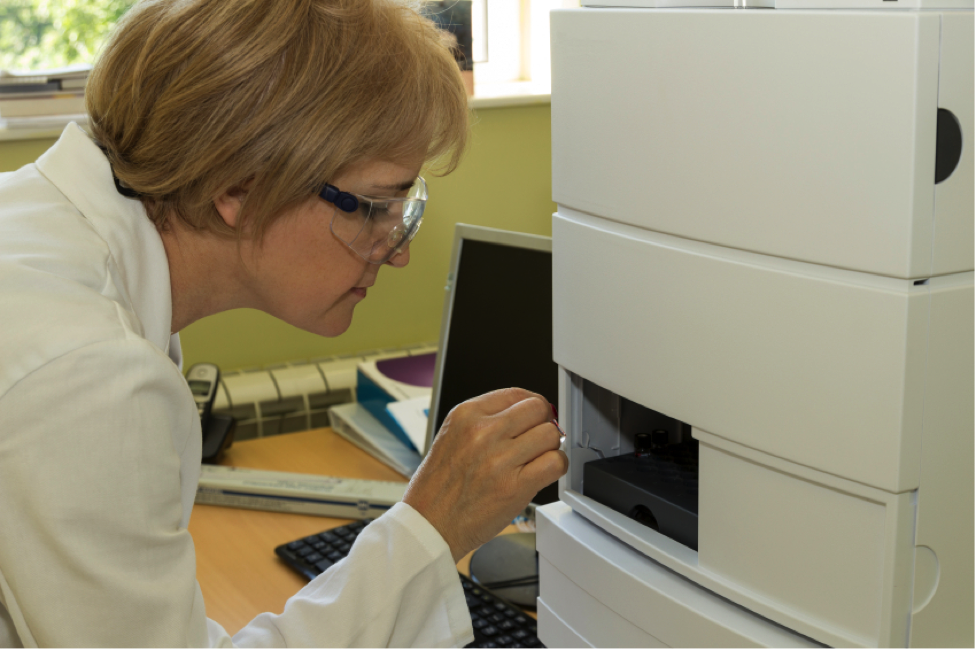
With HPLC training, you can take your pharmaceutical career to new heights by exploring opportunities in a range of fields, including in medical device manufacturing, healthcare and clinical research – among many other possible options. If you are planning to enroll in HPLC courses, or you have recently started your program, read on to learn more about HPLC and how it works. What is HPLC? HPLC, or High Performance Liquid Chromatography, is one of the most common techniques used for separating and purifying organic and inorganic compounds in order to analyze them. Professionals in HPLC careers know that different compounds.. READ MORE »

A career in Regulatory affairs involves doing research and other work that directly impacts the lives of others. If you choose to pursue this career path, you’ll be involved in the research and development of pharmaceuticals, natural products, cosmetics and supplements. On any given day, you’ll be in charge of compiling safety information about a product, negotiating with authorities who control licencing, overseeing clinical trials, and much more. If you are planning to pursue regulatory affairs courses, or have already begun your program, read on to find out what steps you can take to prepare for a job interview once.. READ MORE »

Sports supplements have become such a common sight that it’s hard to imagine them as potentially harmful. We pass by nutritional supplement stores while shopping at the mall, we see advertisements on TV, and they’re openly available on the internet from seemingly trustworthy websites like BodyBuilding.com. The truth is that although supplements are packaged professionally and may be sponsored by a famous celebrity, they usually haven’t received FDA approval. While FDA approval isn’t mandatory to market a sports supplement, all manufacturers must comply with FDA guidelines for accurate marketing and labelling. Because supplement regulation is such a grey area, some.. READ MORE »

Laboratory mice are small rodents of the species Mus Musculus that are typically bred and kept for scientific research. Lab mice have long been the species of choice in the study of human diseases; in fact, they are typically the first to partake in a lot of preclinical research. However, recently researchers have reported that the model of the lab mouse has actually been misleading in the research of at least three major diseases and ailments, including sepsis, trauma, tuberculosis, cancer and heart disease. If you plan on enrolling in clinical research courses, or if you have recently started your.. READ MORE »