
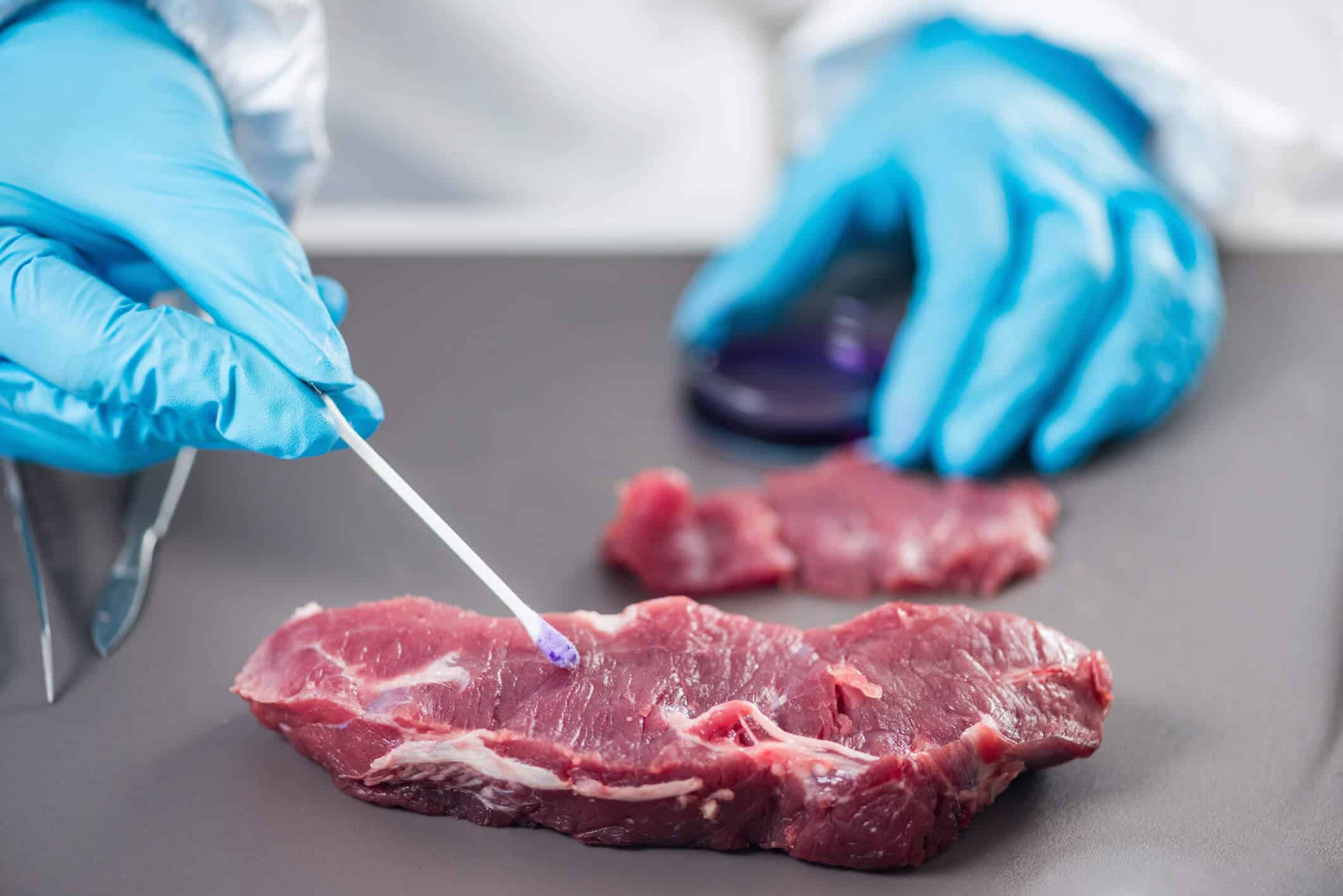
In Brief: Analytical Laboratory Instrumentation in Food Quality Testing Analytical laboratory instrumentation in food quality testing helps manufacturers verify that food products are safe, consistent, and compliant with regulatory standards. Future food safety professionals benefit from understanding the food quality testing equipment and laboratory processes used throughout production. These practical skills prepare graduates for quality assurance, laboratory, and food manufacturing careers. Food safety starts long before a product reaches a grocery store shelf. Every stage of production, from receiving raw ingredients to releasing finished products, depends on careful testing to verify quality, consistency, and regulatory compliance. Behind that testing is.. READ MORE »

Career Education in Canada in Brief The EdUp Canada conversation focused on a question many science graduates quietly face: what happens when the traditional path into medicine, pharmacy, dentistry, or research does not unfold as planned? Jason Chu explained how AAPS College works with learners who often already have strong academic backgrounds, including science degrees, graduate credentials, and international healthcare experience. The discussion explored how career-focused education can help learners understand regulated industries, employer expectations, practical workflows, and the steps needed to move from academic knowledge into career-ready confidence. A key theme was that student success should not be measured.. READ MORE »

A Brief Guide to Clinical Monitoring Plan A clinical monitoring plan provides a roadmap for protecting study participants while ensuring reliable clinical trial data. It guides monitoring activities, supports regulatory compliance, and helps research teams identify potential issues before they affect a study. Understanding monitoring plans is an essential skill for anyone preparing for a career in clinical research. Behind every successful clinical trial is a carefully coordinated system designed to protect participants and produce trustworthy results. While protocols explain what a study will do, monitoring plans help research teams determine how study activities will be reviewed throughout the trial… READ MORE »