

For years, the world’s leading laboratories have been working to develop technology that collects reliable data continuously, over the longest period of time possible. With a small but powerful biosensor chip, Lisbon-based nanobiotechnology engineer Sandro Carrara may have reached this goal. If you train to become a clinical research professional, you’ll use the latest technology and methodology to prepare for a range of careers in the pharmaceutical industry. As biosensor chip technology improves, it’s more and more likely that you’ll encounter it in your clinical research career. Read on to learn the ins and outs of this exciting new technology,.. READ MORE »
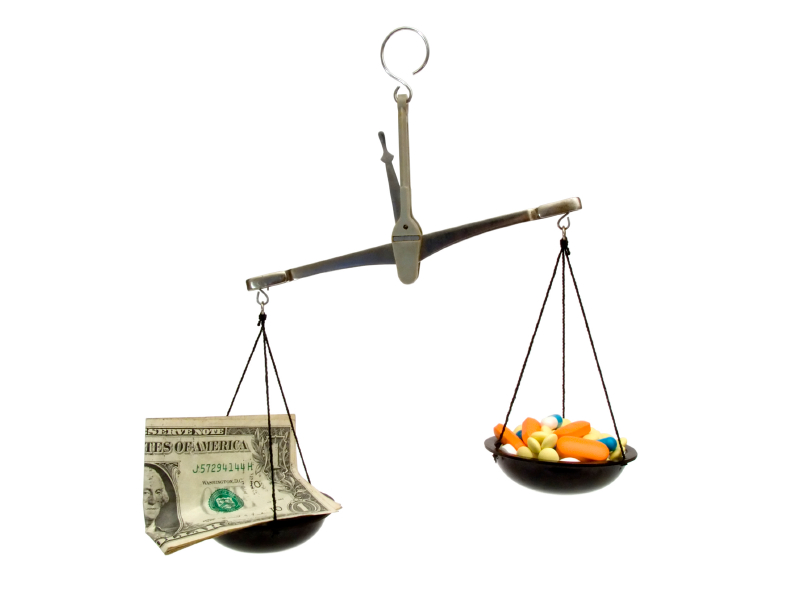
If you’re considering a career in pharmaceutical science, you may be motivated by a desire to help others heal. You may see how central medications are to the health of members of your community, and understand how, worldwide, quality of life is closely tied to access to pharmaceuticals. Vulnerable members of your community need skilled professionals to connect them with the medications that help them live life to the fullest—and in many cases, simply to live. But what happens when the prices for pharmaceuticals put them beyond the reach of those who need them most? That’s the question facing today’s.. READ MORE »
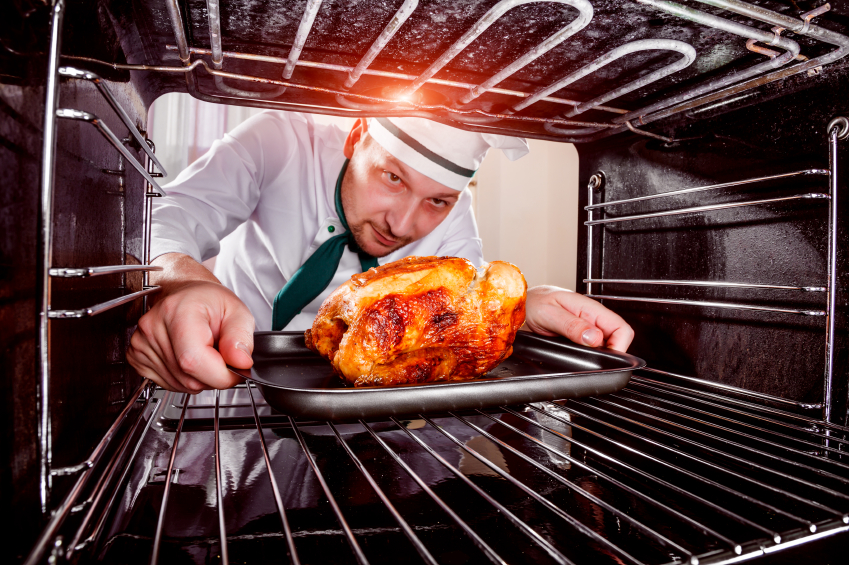
Between power outages, produce storage issues, and the various seasonal bugs floating around, the winter months can certainly cause a few issues for anyone working in the food service industry. That’s before even getting to the extra demands that the increased business during the holiday season typically brings. Food service professionals are run off their feet during the winter months, and safety concerns can sometimes take a back seat. Luckily, by utilizing their food handling training and focusing on potential problem areas, professionals working in the food safety industry don’t have to let their standard drop when the temperature does… READ MORE »

People do all sorts of things to ward off illness during the winter months, like wrapping themselves up in warm blankets, taking cold medication, and receiving flu vaccines. However, one thing very few people think to do is change their diets in order to boost immunity. Exposure to cold weather lowers our core body temperatures, weakening our immune system and leaving us prone to colds and other seasonal bugs. There are a number of healthy foods that do wonders for rebuilding and strengthening immune systems. For nutrition students, adding extra immunity-boosting foods to meal plans during winter is important, as.. READ MORE »

Often among the most expensively priced items in restaurants, shellfish, such as oysters, lobster, and mussels, are considered some of the finest culinary delicacies. However, they are also some the trickiest foods to prepare safely, and can carry harmful bacteria, viruses and biotoxins, which cause a number of illnesses, while shellfish allergies are also common. When dealing with shellfish, there are food safety risks at every stage of the food supply chain. Whether you’re pursuing a career in quality assurance and control, or working in a food serving environment, taking care when dealing with shellfish is essential. Want to know.. READ MORE »

Winter has its good points: glistening white snow, the holidays, and evenings relaxing in front of a warm fire. However, one thing no-one enjoys is the coughing, sneezing, aches and pains that go hand in hand with this time of year. In fact, these symptoms are a clear indication that we are approaching the dreaded flu season! With so many of us affected by these viruses on a year basis, it’s no surprise that millions of dollars worth of research goes into trialling pharmaceutical products to relieve symptoms of colds and flu each year. Many pharmaceutical college graduates go on.. READ MORE »
Think it’s impossible for a pro athlete to go vegan? Learn how nutritionists are making vegan diet plans work in all kinds of sports—from body building to endurance training and beyond!

Consumers are becoming more informed in their food choices than ever before. These days, the average shopper reads every label on the products they buy, comparing nutritional value details as well as safety and allergy information. Governments around the globe have also begun imposing very strict regulations and health guidelines on the food industry, so companies must be more vigilant than ever when it comes to food quality control. For those interested in careers in food safety, this growing awareness means that they can look forward to greater opportunities in their chosen career. If you’re planning to pursue a food.. READ MORE »

High Performance Liquid Chromatography (HPLC) is a technique used to analyze samples in a variety of industries, from biological to environmental to industrial and beyond—even throughout the food, drink, and pharmaceutical industries. To master HPLC, you must learn to use chemical techniques to study organic and inorganic compounds in order to analyze their chemical properties. Specialized training can teach you safe and effective ways to identify, separate, quantify, and ultimately purify a wide variety of chemical compounds, regardless of their volatility or stability. But with the risk of impurities ever present, it’s important to ensure contaminants don’t sabotage your future.. READ MORE »

Today’s consumers want to know more about the health and safety of their food. The “farm-to-table” or “factory-to-table” movement has consumers expecting comprehensive information about where food comes from and how it is handled. In a word: traceability. Increasing traceability is now a collaborative effort among today’s businesses, trade associations, industry groups, and regulatory agencies. Food quality assurance professionals are driven by government regulations and consumer pressure to promote improved traceability using consistent, interoperable data-sharing processes based on global standards. If you are planning to pursue a food safety career, read on to learn the benefits of traceability in today’s food.. READ MORE »