

Adverse drug reactions (ADRs), side effects, and allergic reactions to drugs may all seem like similar terms, but they mean a variety of different things. An ADR is an unwelcomed and unwanted reaction to a drug that can be caused by an allergic reaction or for another reason. A side effect, on the other hand, is a reaction to a drug that in most cases is positive. To help keep people informed about potential risks associated with different pharmaceuticals, countries like Canada have systems for reporting the occurrence of ADRs. As you may notice during your career, some ADRs seem.. READ MORE »

Imagine a completely new way of growing food that doesn’t just have zero impact on the environment, but actually improves it. GreenWave, an innovative organization in New York, is looking to dramatically shift the way the world farms and produces food. The company’s CEO and Executive Director, Bren Smith, has been a commercial fisherman for all his life and believes ocean farming offers promising hope for a sustainable future. Read on to learn more about 3D ocean farming and what it could mean for students in food safety programs. 3D Ocean Farming Explained for Students in a Food Safety Program.. READ MORE »

High Performance Liquid Chromatography, otherwise known as HPLC, is a method used for separating the compounds in a substance in order to test, analyze, measure, and quantify them. HPLC is a highly accurate testing method, which is why it’s becoming extremely popular for testing—especially in the pharmaceutical industries. If you’re considering enrolling in a professional training program but are unsure of which one to choose, you should consider HPLC training. There are plenty of reasons why there’s no better time than the present to enroll. The industry is booming, there are plenty of job options for new graduates, and salaries.. READ MORE »

Many individuals associate name brands with quality, and will only substitute brands with cheaper generic equivalents if they can be convinced that doing so is not a downgrade. When it comes to medicine, the dilemma of whether to choose a generic or name brand can be especially difficult. Generic drugs are typically less expensive than the name brands that they replace. However, medicine is not something that many people want to experiment with. If a generic drug doesn’t work as well, the difference could have serious repercussions on a person’s health. Are you considering regulatory affairs training? Read on to.. READ MORE »
It’s no secret that some athletes use drugs to improve their performance. This unethical practice creates an uneven playing field and can skew the results of a competition. In addition, doping can also negatively affect the athlete taking the drug. Fortunately, professionals working in fitness, health, and nutrition can make a difference by being aware of the most common drugs athletes use, as well as warning signs and symptoms that a client might be using them. If you’re considering becoming a nutrition and health professional, you may soon learn that doping can have serious consequences. Read on to learn more.. READ MORE »

Are you considering enrolling in pharmaceutical courses? If so, the future looks promising. The pharmaceutical industry in Canada and around the world is growing, opening up many opportunities for new graduates to start their careers. Taking courses at a top pharmaceutical school makes all the difference. AAPS is known for producing well-rounded, qualified, and capable students. As a result, our graduates, whether they study online or onsite, have the highest employment rate in the entire industry. If you’re trying to decide whether to enroll in online or onsite classes, read on to learn more about how to choose the best.. READ MORE »
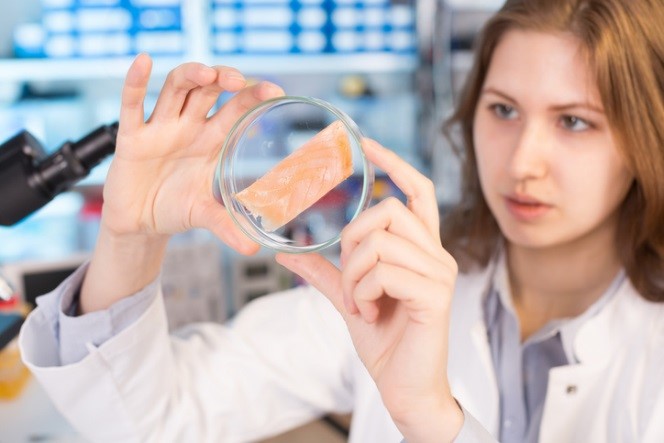
When a food changes, whether while cooking, rotting, or browning, a complex chemical process is taking place. These chemical processes can make our food tastier, change texture, or even go bad and make us sick. As a result, food quality professionals around the world need to understand the chemical processes that affect food. By understanding what’s going on within our food on a microscopic level, professionals can take extra precautions to keep them delicious and safe to eat. If you’re considering enrolling in a food quality diploma program, read on to discover several important chemical processes that can affect food… READ MORE »

Do you want to start a promising career that allows you to help Canadians across the country stay safe and healthy? If you become a clinical trial and pharmacovigilance professional, you can do just that. Professionals in this field are responsible for the safety of drugs and medical devices. They also make sure that clinical trials are conducted safely and adhere to proper protocol. By ensuring that clinical trials run smoothly, pharmacovigilance professionals help expedite the process of getting life-changing pharmaceuticals to market. These pharmaceuticals can make a huge difference in the lives of people suffering from disease, illness, or.. READ MORE »

Pharmaceuticals on the market have the ability to improve the lives of many Canadians. They are used to treat illness, pain, and disorders, and they help people live normal and healthier lives. But if individuals taking pharmaceuticals and the doctors who are prescribing them don’t have the proper information, issues may arise. This is why Health Canada ensures most approved drugs have a product monograph. A product monograph is a government-regulated scientific document that lists the drug, its properties, and any health claims the product makes. It includes essential information for doctors and healthcare professionals which allows them to make.. READ MORE »

There are plenty of unique ways to process food. Irradiation, blanching, fermentation, freezing, and drying are all methods for processing food items that are currently used in today’s food industry. Each method comes with its own unique benefits—whether it may be reducing the risk of food-borne illness, increasing storage longevity, or simply making the food item taste better. Drying is one of the oldest ways of preserving food. In fact, humans have been using this method for thousands of years. But while the method might not have changed very much over the centuries, its application has been streamlined by food.. READ MORE »