

In just 16 weeks you could complete the medical marijuana training you need to begin your career in this growing sector. Read this blog to learn more.

The post-release period in a drug’s development—properly known as the “postmarketing surveillance” period, is one of immense importance. Additional testing and data gathering are conducted to detail the real effects that a drug has on the wide population using the product, with the findings then used to refine messaging about potential safety issues, and potentially whether the drug can continue to be sold. In Canada, postmarketing surveillance is managed by the Marketed Health Products Directorate (MHPD), which oversees and conducts a number of important functions required to be performed after a drug’s release. Want to learn a bit more about.. READ MORE »

As the concrete nutritional and environmental benefits of following a plant-based diet are becoming better known, an increasing number of health-conscious individuals are looking for ways to get their protein and fats from plant-based sources rather than from meat. If you’re considering a career in nutrition, it’s likely that at some point you’ll encounter a client looking to steer away from eating meat and incorporate meat substitutes into their diet instead. When that happens, you can suggest the following foods as nutritious substitutes. Pros with a Diploma in Nutrition Know Tofu and Tempeh Make Good Meat Substitutes Tofu and the.. READ MORE »

Among the many tricky problems faced by the pharmaceutical industry, the fact that each patient is unique creates a particularly difficult one to solve. For medication to be affordable, it often needs to be mass-produced, which means a “one size fits all” approach is taken, rather than the creation of medication made for maximum effectiveness for each individual. With qualities like size, age, gender, and many other factors contributing to the ways in which a drug might react with the body, this approach complicates dosing, leads to uncertainty about side effects, and presents a number of other difficulties for patients.. READ MORE »
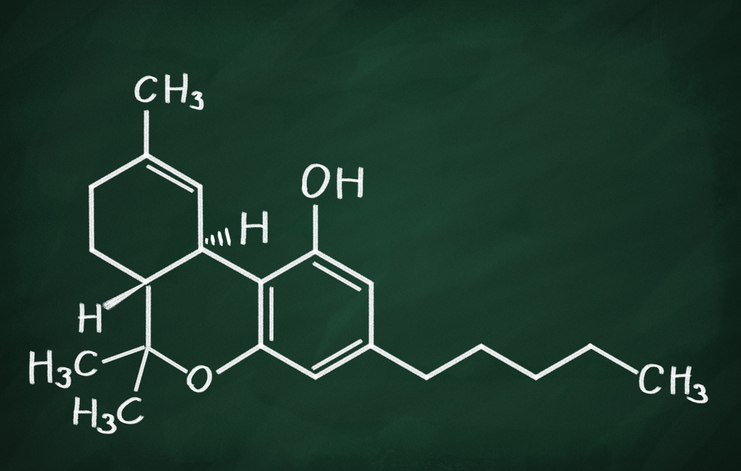
Recent years have seen a sharp upswing in the frequency of use of medical marijuana. With several potential benefits to patients who use it, and few of the harsher side effects that can occur with opiates and many synthetic drugs, medical marijuana is being positioned as a gentler, more natural approach to achieving health and comfort. Inside of marijuana are chemicals, called cannabinoids, that are responsible for the various benefits which can help users. Curious about what these chemicals are like, and what they do? Here’s a look at some of the main cannabinoids. Tetrahydrocannabinol Has Recreational & Medicinal Uses.. READ MORE »

That dangerous chemicals are sometimes present in food is not a secret, but consumers—and even health professionals—may not be aware of some of the surprising places these chemicals can come from. Even small amounts of some chemicals can have detrimental effects to the health of those who consume them. For that reason, the elimination of these kinds of compounds is an important task for the upcoming generation of food safety professionals. Curious about where these hidden chemicals come from, and what kinds of effects they can have on those people who accidentally consume them? Here’s what you need to know… READ MORE »

Drug development is a multi-stage process. Preliminary testing is done to make sure the concept behind a drug could someday prove to be a viable treatment. The next round of tests help determine dosing. A couple of final rounds of testing monitor how well the drug works, what kinds of side effects it leads to, and whether it is safe for those who consume it. Somewhat surprisingly, some drugs will make it nearly all the way through the process before a problem is discovered. With new drugs costing billions of dollars to develop and test, discovering that one doesn’t work.. READ MORE »

For sufferers, allergies can be anything from annoying to deadly. In any case, they usually require extra care on the part of the person with the allergy to either avoid their trigger or take medication to prevent symptoms. But what if there was another way? Some researchers claim there might be, pointing to gene therapy as a potential avenue for not only helping people manage their allergies, but for banishing allergies forever. Sound interesting? Here’s what students of pharmaceutical regulatory affairs need to know about the potential for gene therapy to treat allergies. Gene Therapy for Allergies Would “Retrain” Immune.. READ MORE »

Exciting things are happening in Canada’s scientific community and, more specifically, in the realm of Canadian food science. A team of Canadian researchers have developed a revolutionary system that could help prevent millions of people across the globe from eating food that is contaminated with salmonella, preventing thousands of potentially fatal illnesses. If you’re considering enrolling in a food safety program, you could very well see the positive effects of SalFos during your career. Are you curious to learn more about SalFos? Read on to discover how this database could help save lives. What Students in Food Safety Courses Need.. READ MORE »

Ever since the days of venturing to the far north, cutting huge blocks of ice from the ground and water, and hauling that ice down south to stock in iceboxes, refrigeration has been important to food safety. As technology and research have progressed to the plug-in refrigerators with adjustable cooling that we know today, we’ve steadily learned more about how best to prolong the life of foods through refrigeration, and use the technology to transport and store goods safely. Without question, refrigeration is one of the essential technologies for the modern food industry. Want to learn a bit more? Here.. READ MORE »