

There’s been no shortage of fun food trends over the last few years. Unicorn frappes, mermaid food, and other beautiful and tasty options have taken over social media platforms. Now people from all over the world swear by the rumoured sleep-inducing properties of Moon Milk, a simple drink that combines milk and herbal supplements and spices. Everyone has their own unique recipe, which many like to showcase on social media platforms such as Pinterest. Are you an ambitious student with a desire to carve out a career for yourself in the food industry? Here is a comprehensive guide on this.. READ MORE »

The prevalence of bacteria in yogurt products seems strange to many people starting food safety training, so here’s a look at why it’s necessary.

A salmonella outbreak damages the reputation of food producers and restaurants, so bacterial prevention is a key focus during food handling certificate studies.
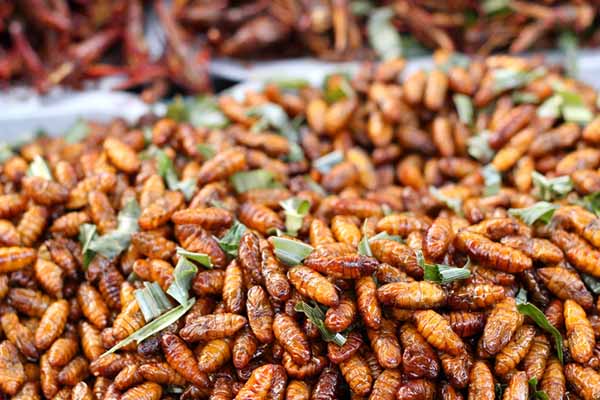
When most people think of tasty snacks, six legs and antennae probably aren’t at the top of the list of qualities they have in mind. Using insects as ingredients in food, though, is a growing trend around the world, the unique properties of this food source making it an appealing prospect for inclusion in a number of products. Curious about why food researchers are increasingly interested in incorporating insects into future products? Here are some of the main drivers behind the trend. Insects Can Be Included in Products Rather Inconspicuously While whole insects are included in many delicious dishes, many.. READ MORE »

Mastering the dos and don’ts of safe food storage is a must for those with a food handling certificate. Learn the secrets behind storing foods safely.

The phrase “vegan cheese” is often met with skepticism by vegans and omnivores alike. For many eco-conscious eaters, the prospect of giving up cheese is the final barrier that prevents them from making the leap from vegetarianism to veganism. This is because, up until quite recently, vegan cheese options were fairly limited and dissimilar from the original dairy product. However, through developments in food science, safety, and quality, vegan cheese has become a much more palatable option for anyone who needs to remove dairy from their diets. These innovations could also have important implications for food quality control and assurance.. READ MORE »

Prized for its flavour-enhancing effect on soups, broths, sauces, and fried foods, monosodium glutamate (MSG) is a commonly utilized ingredient in modern food products. Its use has remained consistent over recent decades, and it is broadly defined as a natural amino acid-based flavouring. However, its flavour-enhancing abilities aren’t its only distinguishing feature; MSG has also been a hotly contested ingredient that has been the subject of intense study. In fact, the stigma over its use has continued on. For aspiring food quality assurance specialists, here are some key points to keep in mind about the latest developments concerning this contested.. READ MORE »

Can foods be safely transported? Does the venue have enough refrigerator space? Discover the challenges caterers with food handling certification know to overcome.
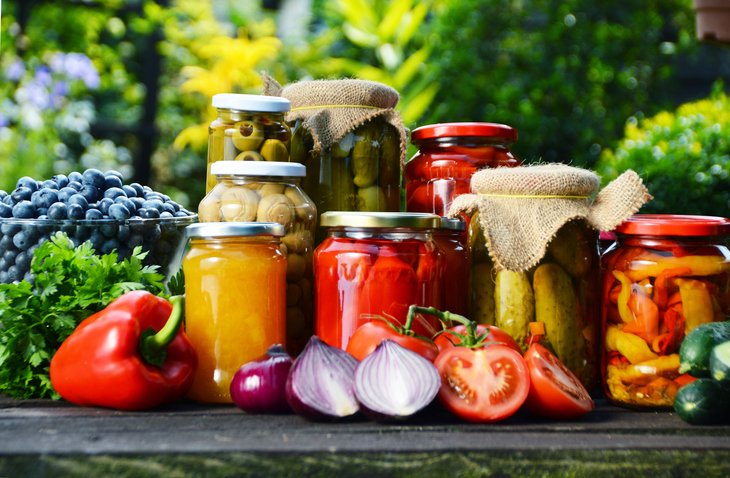
The process of canning as we know it can be traced as far back as the early 1800s and the efforts of Parisian Chef Nicolas Appert. When first beginning to look for ways to preserve his culinary creations, Appert thought that oxygen was what caused spoilage and that food could be preserved by minimizing air flow. He soon discovered that he was partially right. After further investigation, he also realized that heating an item could help preserve it. With this in mind, he began to preserve food by applying heat and putting it into a glass jar, corking it like.. READ MORE »

That dangerous chemicals are sometimes present in food is not a secret, but consumers—and even health professionals—may not be aware of some of the surprising places these chemicals can come from. Even small amounts of some chemicals can have detrimental effects to the health of those who consume them. For that reason, the elimination of these kinds of compounds is an important task for the upcoming generation of food safety professionals. Curious about where these hidden chemicals come from, and what kinds of effects they can have on those people who accidentally consume them? Here’s what you need to know… READ MORE »