
Unlike parasites or other infections, food intoxication happens when ingested food contains toxins that make consumers sick. Proper food preparation and processing is very important, to be sure to minimize or avoid: Unfavourable chemical reactions Contamination Harmful chemicals Sometimes foodborne infection can be confused with intoxication. The difference lies in that infection is caused by the actual bacteria once it is in the intestines, while intoxication comes from toxins (often created by bacteria), meaning that the physical organisms are not what make people sick. Read on for more information about food intoxication and how it occurs. Know How Food Intoxication.. READ MORE »

The “kill-step” in food manufacturing is the point at which dangerous pathogens are removed from the product. This is often done by killing the pathogens. It is one of the most important steps in keeping food safe. Outbreak prevention is a priority in the food industry and must be taken seriously and optimized. Since bacteria ends up on almost every food ingredient, it must be managed and prevented from reaching harmful levels in the food consumed by the public. Some kill-step processes include: Cooking Pasteurization Chemicals Freezing Read on to learn why this step is so necessary for food safety.. READ MORE »
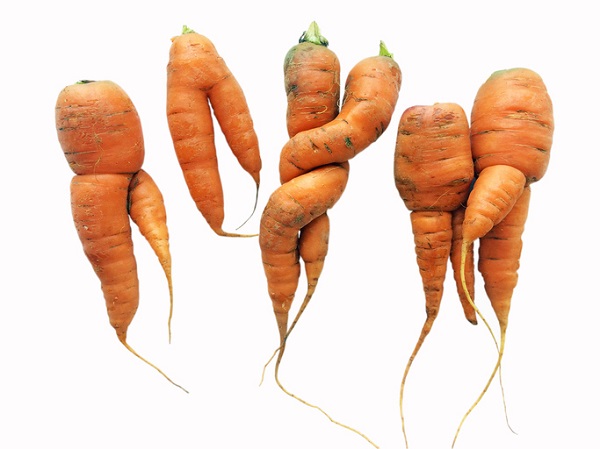
Curious about the ugly produce trend, and its effects on the industry and environment? Read on to find out more about this fascinating way to reduce food waste.
People working in the food industry have an obligation to ensure that the foods they work with are kept safe from cross-contamination. While the vast majority of food is safe, when problems do occur, such as product recalls and outbreaks of foodborne illnesses, they are often because of cross-contamination. Taking measures to prevent cross-contamination is something that should be done at every food facility, whether on the farm or in the kitchen. If you’re interested in a career in the food industry, here are three things you should know about cross-contamination. 1. Cross-Contamination Is Likely the Leading Cause of Food.. READ MORE »
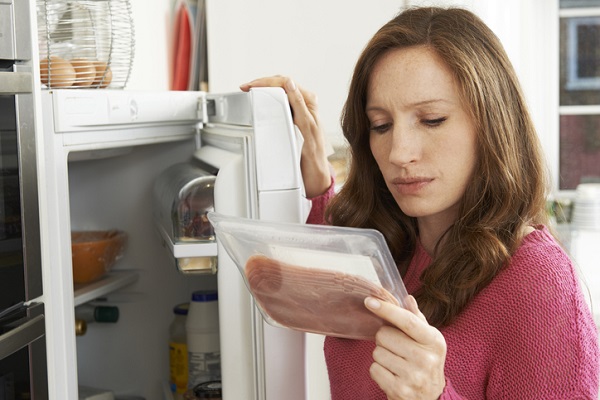
Are best before dates and expiry dates the same thing? Here’s a look at what the two terms mean, and how they affect food safety and food waste in Canada.

The First International Food Safety Conference is bringing attention to the issue of food safety. Here’s what students in food quality training should know.
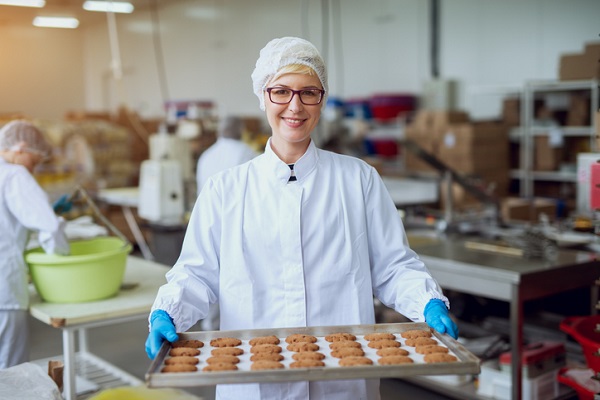
On January 15, 2019, the new Safe Food for Canadians Regulations (SFCR) went into effect and they apply to many businesses that export food across provincial or international borders. It’s an important milestone in food safety, and it’s meant to improve safety even further, while also adding in several other benefits to businesses. Let’s take a look at why the SFCR is important, why it’s being implemented, and what the changes mean for food businesses and your career. The SFCR Is Designed to Standardize Food Safety Regulations Previously, 14 sets of regulations governed the food industry, such as Meat Inspection.. READ MORE »

If you dream of working in the food industry, there’s a world of opportunity that awaits. Whether you want to open your own place, or work in the bustling kitchen of an established restaurant, a career in the food industry can be a lot of fun. However, to access these careers you need to have passed the food handler exam and obtained your certification. There’s an important reason for this: food handling practices can have a big impact on the safety of the foods we consume. An item that has been improperly stored, left at the incorrect temperature, or handled.. READ MORE »

Trying to decide on the right career path can seem daunting. After all, it’s important to choose a career that is well suited to your strengths and values, and that has the potential to feel fulfilling. Whether you’re looking to make the transition from a job you don’t enjoy or are looking to switch careers entirely, there’s a lot to think about. Fortunately, there are some signs that could mean you’d love a career in food safety. Here are just some of the reasons why you might want to consider this career path. 1. You Enjoy Learning About Food For.. READ MORE »

Often, certain ingredients make their way into the public sphere and catch the population’s attention because of their rumoured health benefits. This is certainly the case with matcha, which has ballooned in popularity in recent years. But before individuals can consume matcha, there are a number of processes it must undergo before the ingredient is ready for consumption. For those aiming to enter the food industry, learn what there is to know about matcha. What is Matcha? Matcha is a ground powder made from a plant called camellia sinensis, which is the same plant used to make teas. What separates.. READ MORE »