

It was once believed that a university degree was all Canadians needed to secure relatively stable and desirable employment. But these days, students are graduating at the top of their class only to find themselves at the end of an unemployment line. A rocky economy and the changing landscape of post-secondary education have made choosing a program of study more confusing than ever. In June of 2013, CBC News reported that unemployment rates for recent grads were at 14.5% and rising. Conditions are no better across the border, where the Wall Street Journal reported that last year 284,000 American college.. READ MORE »

Last year in October, the province of BC defunded the Therapeutics Initiative program, an independent institution to monitor the effects of prescription pharmaceutical drugs. TI is also attached to the University of British Columbia’s Department of Family Practice, and had been working in this capacity since 1994. Defunding from the province did not kill the program. Instead, UBC picked up the shortfall, but TI garnered itself international attention as they campaigned for recognition, nationally and internationally, earning a mention in the prestigious British Medical Journal, as well as an open letter from doctors and research scientists from around the world,.. READ MORE »
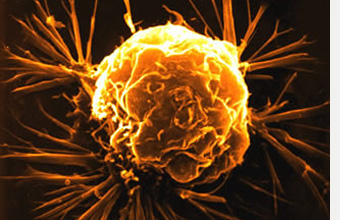
This week, we’re taking a look at some of the promising discoveries that have appeared over the last few months. They all share something in common: they all have roots in our ongoing efforts to understand the human genetic code and the biological processes surrounding it, part of a trend that’s opening up a whole range of new cures and treatments. Pharmaceutical discoveries and possible new treatments Messenger RNA (mRNA) normally serves an important role in copying DNA, as part of its transmission. Clinical research-oriented company, CureVac has partnered with pharmaceutical giant Janssen to build on existing, promising research. The.. READ MORE »
Since the Nobel Prize was awarded to Banting and Macleod in 1923 for their discovery of Insulin, Canada has held a place as one of the top countries for pharmaceutical research in the world. Canadian scientists are still being credited with breakthrough discoveries every year, and there is an explicit need for young talent to enter the industry. It is recognized that historically, young researchers are statistically more likely to conduct breakthrough research. Universities and corporate labs know this, and many commit themselves to finding fresh talent. CIHR, the Canadian Institute of Health Research specifically targets young scientists, offering numerous.. READ MORE »

As a student of pharmaceutical or life sciences (or anyone interested in how science is bettering our world), you will inevitably learn about the latest High Performance Liquid Chromatography (HPLC) techniques and how they fit into different industries. At this point, HPLC is an established technique dating back to the early twentieth century, but over the decades, the process has been refined and simplified. It has evolved from a multi-unit process to a standardized procedure with a single piece of laboratory equipment. HPLC works differently that traditional liquid chromatography because it uses a man-made high-pressure process instead of gravity to.. READ MORE »

We’ve talked extensively about pharmaceutical careers, but it’s important not to forget one of the other job paths at AAPS: Food safety training for food preparation and manufacturing. Every living person eats. As a result, food safety is a concern for everyone, at every level of the process, from first production to kitchen and all the way to the plate. It is unlikely that you would find a restaurant without food safety certification. In Canada, federal level regulation comes from the Canadian Food Inspection Agency, while individual provinces and municipalities prefer to add their own oversight. Food quality assurance and.. READ MORE »

We’ve talked a lot about what’s going on in the pharmaceutical industry, in Canada and in the world, but now we’re going to take it back to you, and look at some of the tips that will help you launch and grow your pharmaceutical career. Defining Your Goal– While it’s possible to launch a career with no clear direction plan; you’ll spend your time and effort more efficiently if you have an idea where to go. At AAPS, we pride ourselves on our industry experience, so our faculty can help you get started. But, asides from that, you need to.. READ MORE »

After the World Health Report launch for 2013, the WHO is calling on countries to improve their investment in local research to help develop better universal health coverage plans. Even in countries that prefer a more privatized system than Canada, governments have a strong role to play in making sure that health standards are maintained. There are many reasons for this. For example making sure that everyone eligible in a population receives vaccinations to childhood illnesses provides “herd immunity” meaning that if a disease is introduced into the population (for example, from a country that does not have the presence.. READ MORE »
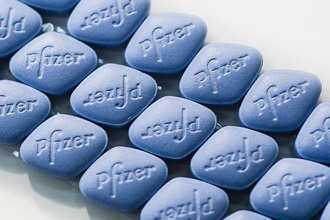
The international pharmaceutical company, Pfizer, has announced a plan to break its entire structure into three segments, two focused on their Innovative line and one on their Value line. Pfizer employs nearly 3,000 Canadians in six locations across the country, and was ranked one of Canada’s top 100 employers for 2012 in a Globe and Mail survey. With products ranging from Celebrex to Chapstick, Pfizer has decided that the split will allow it the flexibility to function as three separate business entities. This is expected to come into effect in 2014, starting with countries that do not require prior union.. READ MORE »
In this year’s “Report Card on Cancer in Canada”, the Cancer Advocacy Coalition of Canada praises the progress of cancer research, but asks that Canadians be given better access to these lifesaving treatments, as well as more emphasis on preventative techniques. In the fight against cancer, successfully targeting the disease means acknowledging that cancer is not a single external problem, but the result of numerous internally manufactured accidents in the cancer patient. Some are facilitated by contaminants like smoking, but today’s smart cancer treatments are tailored to figuring out and targeting the kind of cancer that has affected the patient… READ MORE »