
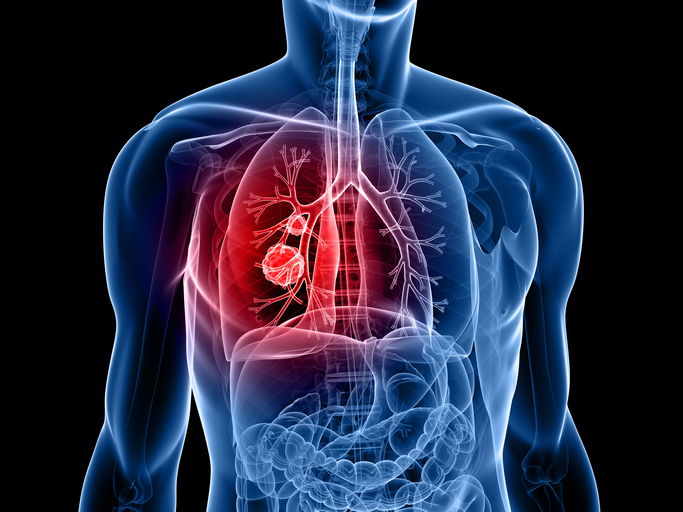
Lung cancer is the second most common cancer in Canada, as well as the leading cause of cancer related deaths. It even causes more deaths than the next three major cancers combined. Although there has been a substantial drop in lung cancer diagnosis over the past 20 years, there is plenty that needs to be done before the disease is preventable and completely treatable. Researchers are looking to trial new drugs that take a different approach from current invasive treatment options. A new lung cancer vaccine approved by the FDA uses immunotherapy to target cancer cells. If you’re interested in.. READ MORE »

It is estimated by the Alzheimer Society of Canada that about 564,000 Canadians will suffer from dementia in 2016. Medical professionals will diagnose an additional 25,000 cases every single year, and by 2031 it is believed the number of patients suffering from dementia will rise to 937,000. Dementia is a huge problem not only in Canada, but across the globe. Unfortunately, there haven’t been any significant scientific breakthroughs that could slow the progress of the disease—until now. If you’re a student enrolled in a pharmaceutical program, you may understand the groundbreaking impact this scientific breakthrough could bring to dementia patients… READ MORE »

Sharing these success stories makes us proud to know we have be able to help change lives. “Just wanted to thank everyone for the immense support and education that I have received from AAPS. I am happy to share that I have received a job as a Clinical Research Recruiter at BioPharma Services Inc. today. It was a hard and persistent job hunting process, but I couldn’t have done it without the support of Laleh, Peivand, George, Steven and Beatrice. I would like to thank Peivand, George, and Beatrice, for being amazing professors throughout the program and being here to.. READ MORE »

People with different lifestyles, body fat percentages, and health habits may show the exact same body mass index (BMI) rating. This perplexing phenomena is one of the main reasons why BMI readings to measure obesity are becoming increasingly frowned upon by nutritionists and healthcare professionals alike. The outdated measuring tool has several significant drawbacks, which can make its readings incorrect in certain cases. If you’re interested in pursuing a career in nutrition, read on to find out why BMI findings may be inaccurate. Pros with a Diploma in Nutrition Might Know the Flaw Is in the Calculation The body mass.. READ MORE »

Sharing these success stories makes us proud to know we have be able to help change lives. Good news, I received two offers, one from Medical Writing Dept as Archivist and other in Recruiting Dept as Recruiter. I had to pick one and I selected as Archivist. I am happy that I had options to select departments. I want to thank AAPS for all the effort they put in me and boosting up my confidence. Thanks, Gopi Patel

New drugs are developed, tested, processed, marketed, and then eventually released to the public every year. During their rigorous testing process, side effects arise in clinical trial patients and are noted by doctors. It is common for drugs to enter the market with a list of side effects, some being beneficial, but most being negative. These negative side effects are known as adverse effects. After a drug has been released to the market, there are systems in place so that healthcare professionals can report any new issues or serious reactions to drug. These are known as adverse drug reactions (ADRs)… READ MORE »

As an aspiring food safety professional you will play an important role in ensuring that the food in fridges and pantries across the country—and even around the world—is safe to eat. Your comprehensive education will train you to foresee potential safety mishaps and prevent them from happening. With your knowledge and training, you might even save lives as you help ensure the safety of anyone who consumes the food you handle. For students interested in food safety and quality assurance, a lot can be learned from these food safety incidents. Read on to discover how these catastrophes hold valuable lessons… READ MORE »

In hospitals and doctors’ offices, drugs aren’t the only things responsible for helping patients heal and feel better. Medical devices are a huge category of medical care tools that often go unnoticed, but are crucial to modern day medicine. Medical devices include wheelchairs, medical scissors, and even bandages. They can range from low-tech to high-tech devices and can even include pacemakers. Some of the technologies used to produce them include microelectronics, biotechnology, and even software. Unlike drugs, which dissolve and are absorbed by the body, medical devices are instruments, tools, and implants that can help with everything from diagnosing a.. READ MORE »

Getting people to eat healthy food is difficult at times, which is why some products try to pack in extra nutrients to “trick” eaters into being a little healthier. To that end, a couple of different companies have set themselves the task of creating healthy ice cream products. The mission: taste like the regular thing, but pack in nutrients you won’t find in the average tub. The results? According to tasters, so far, so good. Curious about the development of new food products and the fascinating world of food technology? Here’s a quick peek at two of the bigger names.. READ MORE »

Wrist-worn heart rate tracking devices from companies like Fitbit are big business, and not just with athletes. According to recent estimates, there are over 100 medical studies in the United States alone that involve Fitbit devices, with several more that use bands from competing companies. The intended benefit of using these devices in studies is that they should allow researchers to collect quantitative data about their patients’ health, negating the need to use unreliable self-reported information. Research from California State Polytechnic University, Pomona, though, suggests that Fitbit’s continuous heart rate tracking “do[es] not accurately measure a user’s heart rate,” which.. READ MORE »