

In Brief: The Trial Master Files in Clinical Research A trial master file in clinical research contains the essential clinical trial documents that demonstrate how a study was planned, conducted, and managed. Accurate TMF documentation supports clinical research compliance, protects data integrity, and helps research teams prepare for audits and inspections. Understanding document management is an important skill for future clinical research professionals. Clinical research depends on much more than collecting data. Every study must also demonstrate that it was conducted ethically, safely, and according to regulatory requirements. That evidence comes from accurate documentation. One of the most important tools.. READ MORE »
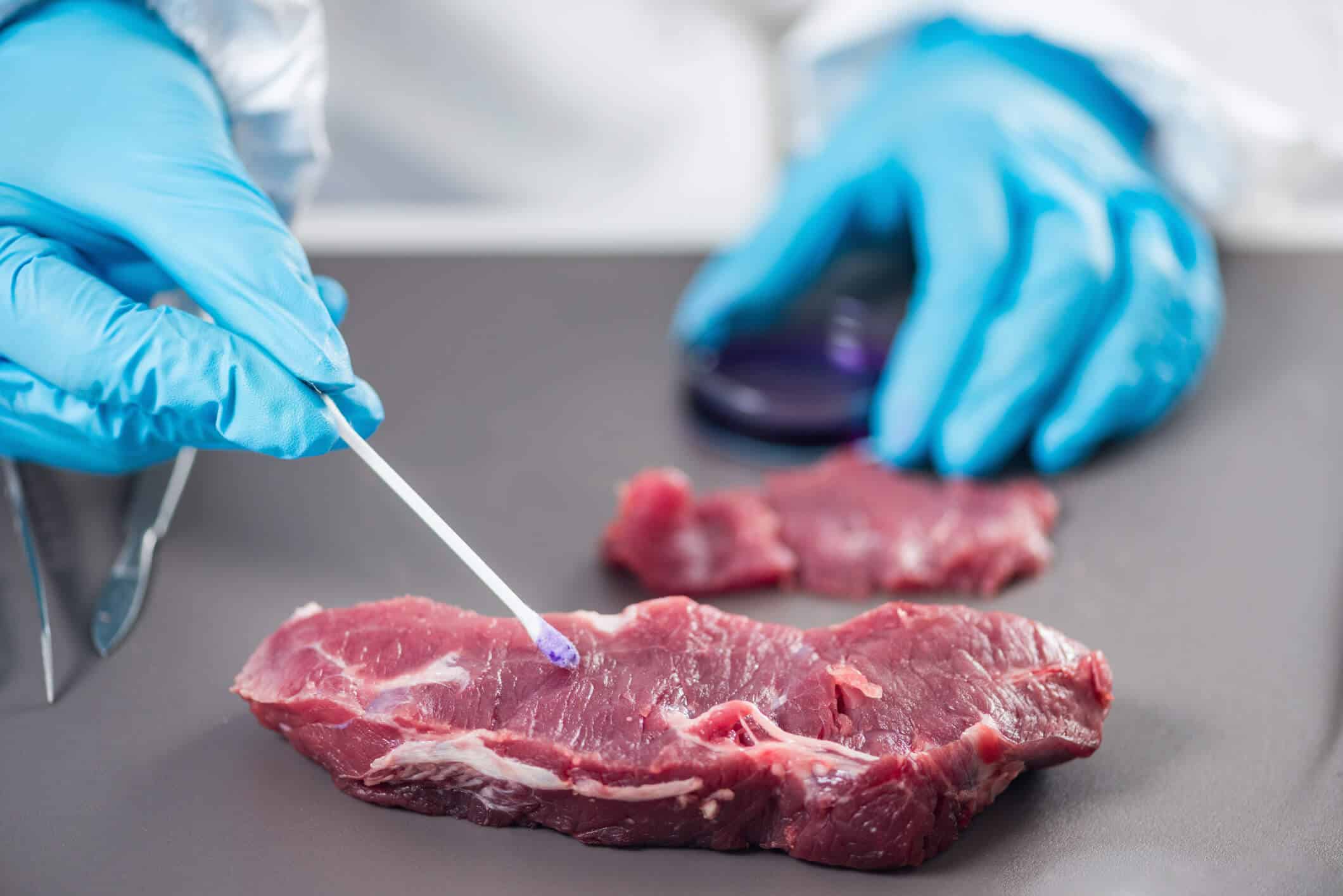
In Brief: Analytical Laboratory Instrumentation in Food Quality Testing Analytical laboratory instrumentation in food quality testing helps manufacturers verify that food products are safe, consistent, and compliant with regulatory standards. Future food safety professionals benefit from understanding the food quality testing equipment and laboratory processes used throughout production. These practical skills prepare graduates for quality assurance, laboratory, and food manufacturing careers. Food safety starts long before a product reaches a grocery store shelf. Every stage of production, from receiving raw ingredients to releasing finished products, depends on careful testing to verify quality, consistency, and regulatory compliance. Behind that testing is.. READ MORE »

Career Education in Canada in Brief The EdUp Canada conversation focused on a question many science graduates quietly face: what happens when the traditional path into medicine, pharmacy, dentistry, or research does not unfold as planned? Jason Chu explained how AAPS College works with learners who often already have strong academic backgrounds, including science degrees, graduate credentials, and international healthcare experience. The discussion explored how career-focused education can help learners understand regulated industries, employer expectations, practical workflows, and the steps needed to move from academic knowledge into career-ready confidence. A key theme was that student success should not be measured.. READ MORE »

A Brief Guide to Clinical Monitoring Plan A clinical monitoring plan provides a roadmap for protecting study participants while ensuring reliable clinical trial data. It guides monitoring activities, supports regulatory compliance, and helps research teams identify potential issues before they affect a study. Understanding monitoring plans is an essential skill for anyone preparing for a career in clinical research. Behind every successful clinical trial is a carefully coordinated system designed to protect participants and produce trustworthy results. While protocols explain what a study will do, monitoring plans help research teams determine how study activities will be reviewed throughout the trial… READ MORE »

TL; DR: A Quick Summary of Quality Assurance and Quality Control Before Product Release Quality assurance and quality control before product release are two complementary functions within pharmaceutical manufacturing. Quality Control (QC) provides laboratory evidence that a product meets approved specifications, while Quality Assurance (QA) verifies that every step of manufacturing, testing, documentation, and investigation complies with Good Manufacturing Practices (GMP). A pharmaceutical batch is released only when both functions confirm that it is safe, effective, and manufactured according to regulatory requirements. Every pharmaceutical product represents months, or even years, of research, development, manufacturing, and testing. Before a single batch.. READ MORE »

TL;DR Privacy by design in Canada encourages organizations to build privacy protections into systems from the beginning rather than adding them later. Combined with Canada’s federal privacy law, PIPEDA, this approach helps organizations handle personal information responsibly while supporting cybersecurity, compliance, and public trust. For cybersecurity students, understanding privacy principles is becoming just as important as understanding technical security controls. Cybersecurity is often associated with firewalls, encryption, and threat detection. While those tools are important, protecting information involves more than preventing hackers from gaining access. Modern security professionals must also consider how personal information is collected, used, stored, and protected… READ MORE »

TL;DR Identity and access management simply means controlling who can access systems, applications, and data within an organization. Identity and access management (IAM) combines authentication, authorization, access governance, and security policies to ensure users receive the appropriate level of access. Understanding concepts such as single sign-on, OAuth, OIDC, least privilege, and access reviews is essential for students preparing for cybersecurity careers. Single sign-on, user permissions, and access controls are some of the most important security mechanisms organizations use to protect systems and data. As businesses adopt more cloud applications, remote work tools, and digital platforms, managing who can access what.. READ MORE »

TL;DR Understanding network segmentation and firewalls is an important part of building defensive cybersecurity knowledge. Entry-level professionals often learn how segmented networks reduce risk, how firewalls filter traffic, and how tools like Wireshark help analysts investigate network activity. Alongside concepts such as IDS, IPS, and VPN configuration, these skills help future cybersecurity professionals understand how organizations monitor, protect, and secure modern networks. Cybersecurity is often associated with advanced hacking techniques and complex attack scenarios, but many real-world security practices begin with strong network fundamentals. For entry-level cybersecurity professionals, learning how networks are organized, monitored, and protected is one of the.. READ MORE »

TL;DR Wondering how to read a clinical trial protocol? It starts with understanding the study purpose, eligibility criteria, visit schedule, required procedures, safety reporting rules, and documentation expectations. For students preparing for clinical research monitoring or clinical trial coordination, the protocol is one of the most important documents they will use. Strong protocol review skills help future clinical research professionals understand what the trial requires, what can go wrong, and how study teams protect participant safety and data quality. Clinical trial protocols can feel overwhelming the first time students open them. They are detailed, technical, and often filled with terminology.. READ MORE »

TL;DR Incident response playbooks help cybersecurity teams respond to security incidents quickly and consistently, while business continuity cybersecurity planning helps organizations continue operating during disruptions. Together, these frameworks reduce downtime, protect critical systems, and support recovery. Students in the Applied Cybersecurity Engineer Diploma Program at AAPS College gain exposure to the concepts, tools, and methodologies that modern cybersecurity teams use to prepare for and manage real-world incidents. Cyberattacks rarely follow a predictable script. A ransomware attack, phishing campaign, or compromised system can create confusion and pressure within minutes. During these situations, organizations need more than technical expertise; they need a.. READ MORE »