

Pharmacovigilance ensures and safeguards the safety of medications, from their development in clinical trials to post-market surveillance. As the field evolves, staying up to date with emerging trends is vital for anyone pursuing a career in clinical research. Understanding these trends can provide a significant advantage for students enrolled in AAPS’s clinical research program as they prepare to enter the workforce. Below, we explore the top five trends in pharmacovigilance shaping the industry’s future and what they mean for clinical research students. 1. Increased Use of Artificial Intelligence (AI) and Machine Learning (ML) and Big Data Integrating AI, ML, and.. READ MORE »

What do Tolulope Adegbite, Sowmya Ramachandran, and Henry Vu have in common? Quite a bit, as it turns out. Each pursued pharmaceutical training at AAPS, driven by a passion for growth and excellence and an unwavering determination to overcome challenges in pursuit of their personal and professional goals. While each journey is unique, their experiences highlight an important truth: bridging the gap between education and the pharmaceutical industry requires knowledge, hands-on experience, and a strong support system. At AAPS, we offer education and the tools, opportunities, and guidance to turn academic learning into real-world success. Tolulope, Sowmya, and Henry’s stories.. READ MORE »
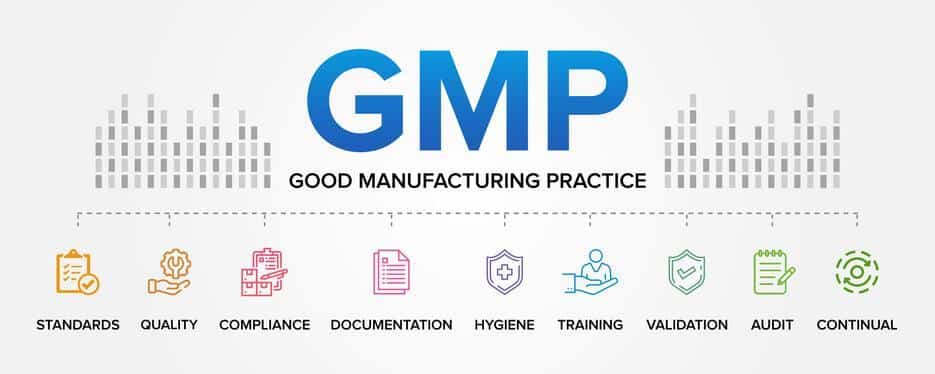
Quality Assurance training is crucial for preparing GMP audits and ensuring compliance with stringent regulatory standards in the pharmaceutical industry. These audits, though daunting, can become opportunities to strengthen your processes, systems, and product quality with the proper preparation and strategies. Below, we outline some best practices for preparing for GMP audits and achieving consistent, successful outcomes. Understand Regulatory Requirements With Our Comprehensive Quality Assurance Training The first step in preparing for a GMP audit is understanding the relevant regulatory requirements. Since GMP guidelines and regulations vary by region and market, staying informed about guidelines specific to your product type.. READ MORE »

Pharmaceutical training in Computer System Validation (CSV) is essential for maintaining compliance with health authorities like Health Canada, the FDA, and the European Union. CSV ensures that computerized systems in healthcare, including pharma and medical devices, are validated for their intended use. This blog introduces CSV’s importance in pharma, the regulatory landscape, and key components. It also highlights a related workshop by AAPS to help professionals gain foundational knowledge. What Is Computer System Validation (CSV)? Pharmaceutical training teaches that Computer System Validation (CSV) ensures a computer system consistently performs as intended, complying with regulatory requirements. This process is vital in.. READ MORE »

The Canadian Quality Assurance (QA) industry is tough to navigate, requiring more than just technical skills—it takes determination, education, and experience. Aishwarya Venkatasubramanian, a recent graduate of the AAPS Quality Assurance and Regulatory Affairs (QARA) post-graduate diploma program, exemplifies this. In this blog, we explore Aishwarya’s journey from biotechnology to a successful career in Quality Assurance, with comprehensive support from AAPS College. A Passion for Healthcare and Education Aishwarya’s passion for healthcare has driven her journey from completing a master’s in biotechnology in India to navigating new challenges in Canada. Upon arrival, she balanced her personal life and career ambitions,.. READ MORE »

Canada made history on October 17, 2018, when it became the first G20 country to legalize recreational cannabis. Since then, the Canadian cannabis market has undergone significant changes. Six years later, this market provides a unique case study for students in cannabis industry training, offering insights into regulatory challenges, economic impacts, and consumer trends. Historical Context and Legal Framework In 2018, Canada became the first G7 country to legalize cannabis for adult use fully. This move aimed to eliminate the illegal market, protect public health, and generate tax revenue. The Cannabis Act set the framework for cannabis production, distribution, and.. READ MORE »

The pharmaceutical and biotech industries are well known for maintaining high standards of quality and compliance, and Quality Assurance (QA) professionals are instrumental in ensuring that products meet the rigorous standards set by regulatory bodies. One of the key resources guiding these professionals is the United States Pharmacopeia (USP), a compendium of drug standards that provides guidelines for product quality, purity, strength, and consistency. Understanding and navigating the USP is essential for QA professionals to ensure compliance and maintain product quality. This blog post explores the USP’s importance and what QA professionals must know to follow its guidelines. The Importance.. READ MORE »

According to the World Health Organization (WHO), an estimated 600 million – almost 1 in 10 people in the world – fall ill after eating contaminated food, and 420,000 die every year. Food safety and food safety training are of paramount importance globally, making the contributions of professionals in this field vital. Among these professionals are microbiologist technicians, who ensure our food supply is safe, nutritious, and free from harmful microorganisms. These professionals work diligently in laboratories and on-site to analyze food samples, identify potential hazards, and contribute to the development of safer food production processes. This blog explores microbiologist.. READ MORE »

Maintaining the integrity of pharmaceutical products is paramount in the pharmaceutical quality assurance (QA) training industry. One essential component of QA in pharmaceutical training is compliant temperature mapping. This process ensures that pharmaceutical products are stored and transported within their designated temperature ranges, preserving their efficacy and safety. Understanding temperature mapping is crucial for QA professionals. AAPS’s upcoming workshop can provide invaluable insights into this vital area. Why Temperature Mapping Matters in Pharma QA Training Temperature is a critical factor in the storage and transportation of pharmaceutical products. Each medication has specific storage requirements, including the optimal temperature, outlined on.. READ MORE »

Maintaining the highest quality and safety standards is paramount in the pharmaceutical industry. Good Manufacturing Practices (GMP) regulations provide a critical framework to achieve this goal. However, staying up-to-date on the intricacies of GMP compliance and effectively implementing these principles within your organization can take time and effort. Here at AAPS, we understand these challenges. That’s why we have an annual GMP Masterclass, a comprehensive online workshop designed to equip leaders in the pharmaceutical industry with the knowledge and skills necessary to excel in today’s dynamic regulatory environment. Why Attend the GMP Masterclass? This dynamic online workshop, taking place on.. READ MORE »