
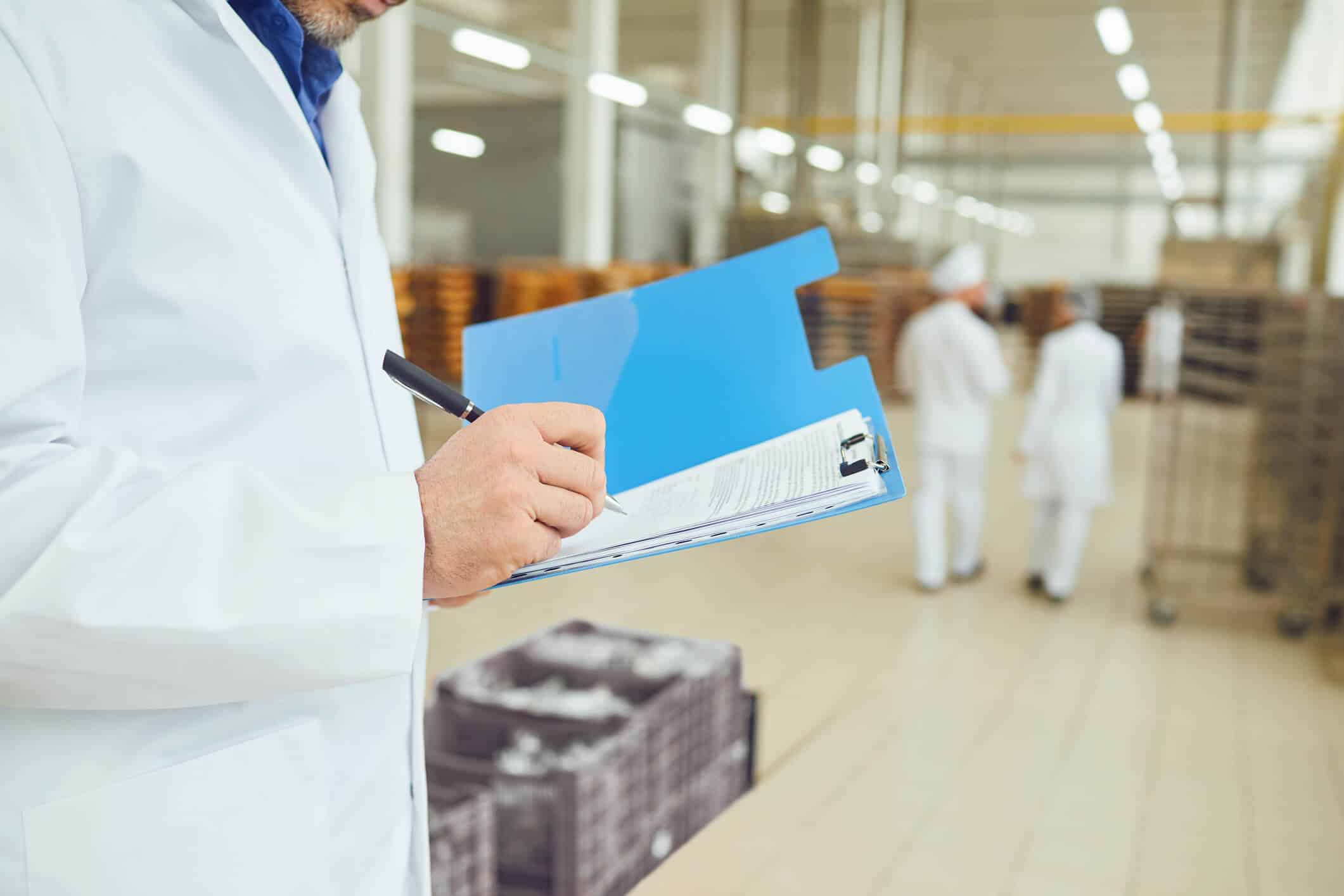
TL;DR
Strong recall readiness and traceability in food manufacturing help companies respond quickly to food safety concerns and protect consumers. Food safety professionals play an important role in tracking ingredients, monitoring production records, and supporting recall procedures across manufacturing operations.
Food safety in modern manufacturing goes far beyond sanitation and inspections. Companies must also be prepared to respond quickly if a product issue, contamination event, or labeling error occurs.
That is why recall readiness and traceability in food manufacturing have become critical parts of food safety systems across Canada. Manufacturers need to know exactly where ingredients came from, how products moved through production, and where finished goods were distributed.
For students preparing for careers in food quality and safety, understanding how traceability and recall systems work provides valuable insight into real-world compliance and operational expectations.
What Traceability Means in Food Manufacturing
What does traceability mean in food manufacturing? Traceability refers to the ability to track ingredients, raw materials, packaging, and finished products throughout the manufacturing and distribution process.
Modern food traceability systems help companies identify:
- Which suppliers provided ingredients
- Which production lines processed the products
- Which batches were affected by a problem
- Where products were shipped or sold
This level of tracking helps manufacturers respond efficiently during food safety investigations or recalls. Traceability is especially important in large-scale production environments where even small issues can affect multiple batches or distribution regions.
Why Recall Readiness Matters
Why is recall readiness important for food safety careers? A food recall can happen for many reasons, including contamination risks, undeclared allergens, labeling errors, or manufacturing defects. When recalls occur, companies must respond quickly and accurately.
Strong food recall preparation helps organizations identify affected products, communicate with regulators, and remove unsafe products from the market efficiently.
For food safety professionals, recall readiness is not only about emergency response. It also involves preventive systems, documentation accuracy, compliance monitoring, and process verification.
Students entering Canadian food manufacturing careers increasingly need to understand how these systems work because recall procedures affect multiple departments across manufacturing operations.
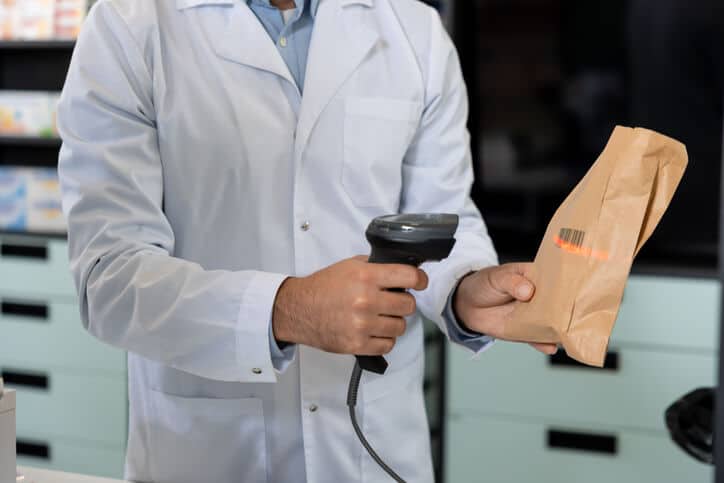
Recall readiness depends on accurate documentation and efficient tracking processes throughout production.
How Food Companies Track Products During a Recall
How do food companies track ingredients and finished products during a recall? Manufacturers rely on detailed records and digital tracking systems to trace products throughout the supply chain. These records may include:
- Ingredient lot numbers
- Supplier information
- Production dates and times
- Packaging codes
- Distribution records
During a recall, food traceability systems allow companies to identify affected products quickly without removing unnecessary inventory. This targeted approach helps reduce operational disruption while improving consumer protection and regulatory compliance.
The Role of Food Safety Professionals in Recall Readiness and Traceability in Food Manufacturing
Do entry-level food safety professionals need to understand recall procedures? Absolutely. Even junior quality assurance staff may participate in documentation reviews, traceability exercises, inspection preparation, or mock recall activities.
Food safety teams often work closely with production, warehousing, logistics, and regulatory departments to verify that traceability records remain accurate and accessible. For students completing food safety training, learning how these systems connect across manufacturing operations helps prepare them for real workplace responsibilities.
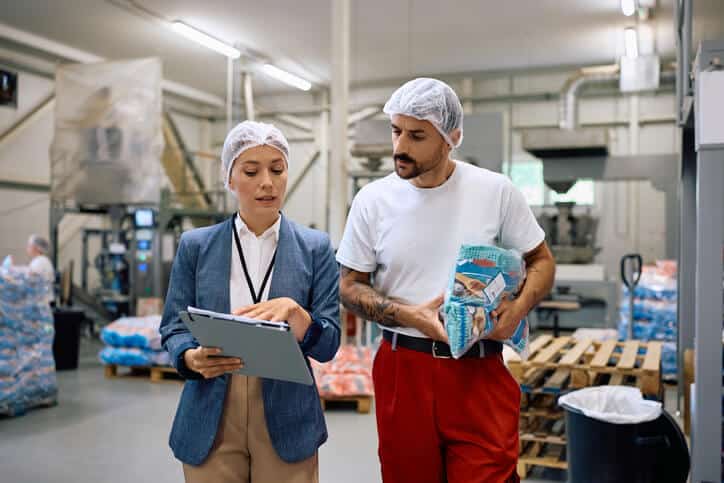
Food safety professionals use traceability records to support investigations and compliance requirements.
Classroom Topics That Build Real-World Readiness
What classroom topics help students become more prepared for real-world food quality work? Food, technology, and safety programs in Ontario often introduce students to:
- Hazard analysis principles
- Recall procedures
- Product coding systems
- Supplier documentation
- Food regulations and compliance
- Traceability verification processes
Students may also learn how audits, inspections, and mock recall exercises support operational readiness.
Within the Food Technology, Safety and Quality Diploma, these topics help students understand how food manufacturers maintain accountability and respond to safety concerns effectively. Students can also review career support resources to better understand how these technical competencies connect to real opportunities in Canadian food manufacturing and quality assurance environments.
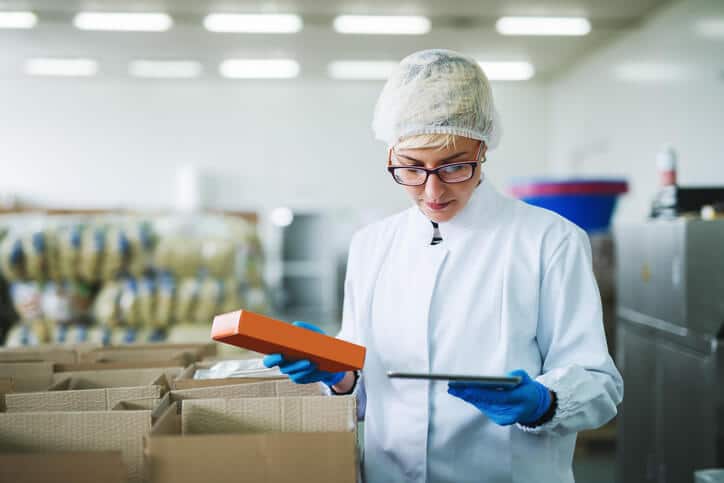
Modern food manufacturing facilities rely on digital systems to improve recall response and product accountability.
Why Traceability Is Becoming More Important
Consumer expectations and regulatory standards continue evolving across the food industry. Companies are now expected to respond faster, maintain better documentation, and demonstrate stronger transparency throughout the supply chain.
As a result, knowledge of recall readiness and traceability in food manufacturing has become increasingly valuable across quality assurance and food safety roles.
Students entering the industry with a strong understanding of compliance systems, documentation practices, and recall procedures may be better prepared to support modern manufacturing operations from day one.
Are you looking for a comprehensive Food Technology, Safety, and Quality Diploma program?
Contact AAPS College for more information.
Key Takeaways
- Recall readiness and traceability in food manufacturing support fast and accurate food safety responses
- Food traceability systems help manufacturers track ingredients and finished products throughout production
- Recall procedures are important across quality assurance and food safety careers
- Entry-level professionals often assist with documentation, audits, and traceability verification
- Strong food safety training helps students understand real-world compliance and manufacturing systems
FAQ
What does traceability mean in food manufacturing?
It refers to tracking ingredients, production batches, and finished products throughout the supply chain.
Why is recall readiness important for food safety careers?
It helps companies respond quickly to food safety risks while protecting consumers and maintaining compliance.
How do food companies track ingredients and finished products during a recall?
They use lot numbers, production records, supplier information, and digital tracking systems.
Do entry-level food safety professionals need to understand recall procedures?
Yes, recall readiness and traceability are important parts of many quality assurance roles.
What classroom topics help students become more prepared for real-world food quality work?
Topics such as traceability systems, compliance documentation, audits, and recall procedures help prepare students for industry work.