

Make the most of your summer with these tips for safely grilling your favorite summer foods!
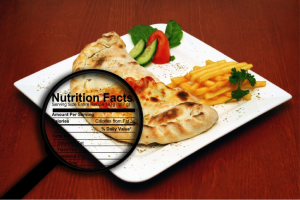
People have become much more conscious of the food products that they purchase and consume. In fact, now more than ever before, we are checking food labels to ensure that the products we select meet the levels of protein, carbohydrates, sugar and sodium that food experts deem healthy. However, have you ever stopped to consider that major players in the food industry could be leaving a few ingredients off of that label, or even overstating just how healthy a product actually is? If you are pursuing a career in food safety, read on to learn a few facts about the.. READ MORE »
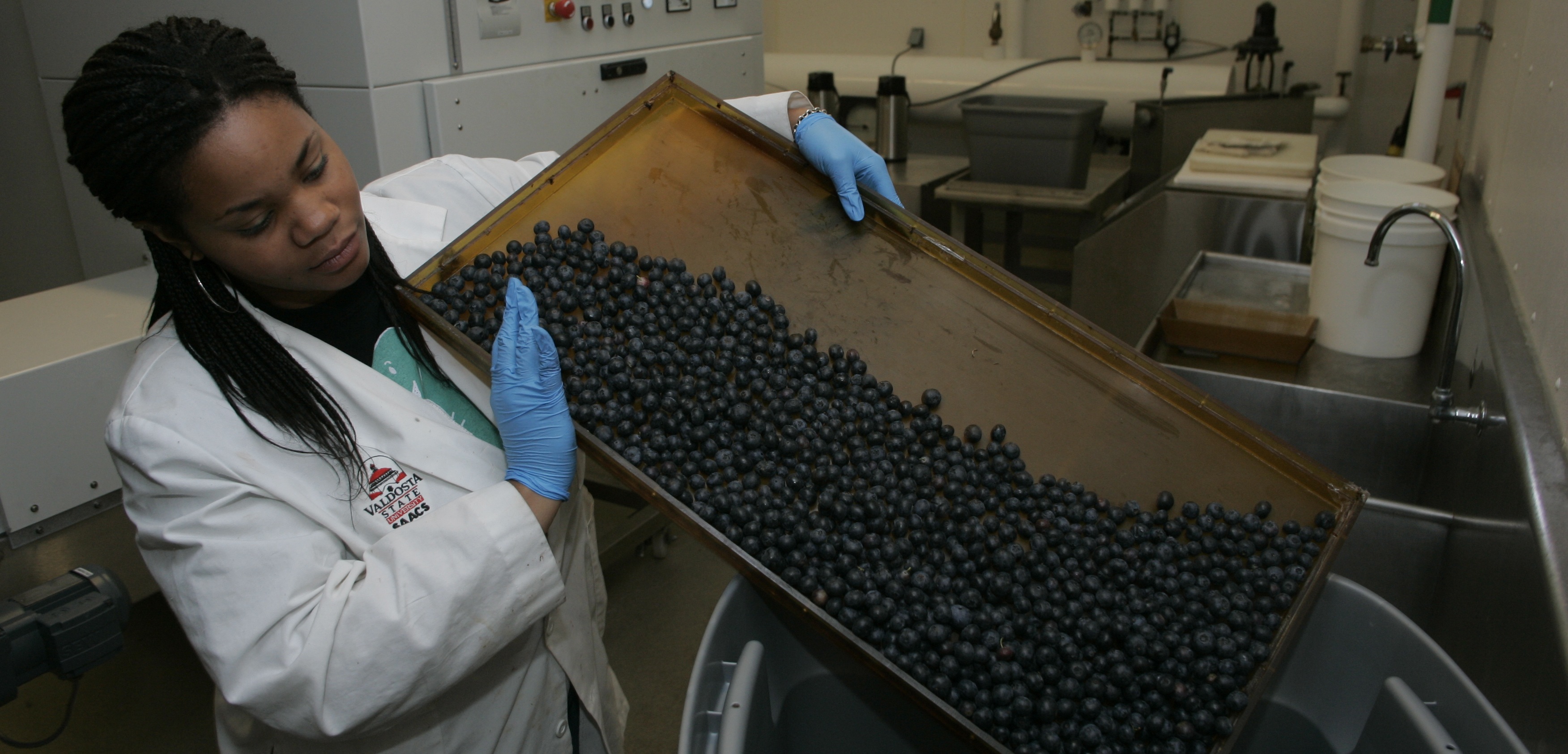
Getting an education is one thing, putting that knowledge to good use is another. AAPS students enrolled in our are taking the opportunity to develop their skills by training with leaders in Food Safety and Quality Assurance. Implements Your Skills The hands-on training AAPS students receive is only a part of what prepares them for the workforce. AAPS’ close industry connections allow for some of the best co-op placements in the industry. These placements allow students to expand on their specialized knowledge in real food safety environments. Co-op Placements AAPS students have gained real work experience with leaders in the.. READ MORE »
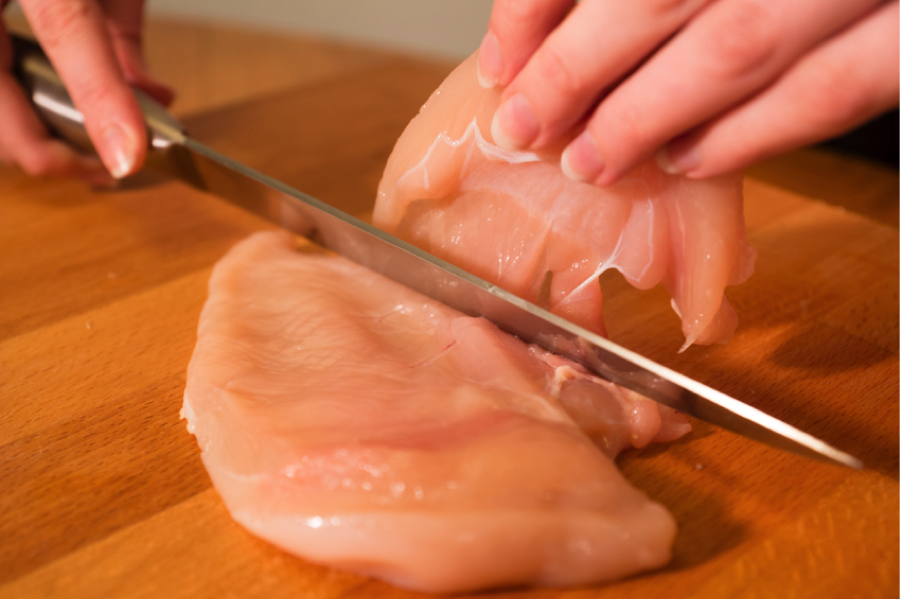
11 million Canadians suffer from food poisoning every year. While most people who get sick only suffer milder symptoms that don’t need treatment, a percentage of those infected will require hospitalization, and a small percent die as a result of their illness. Milder symptoms of food poisoning include: nausea and/or vomiting diarrhea abdominal pain headaches weakness mild fever Severe food poisoning, on the other hand, can lead to bloody stools, extreme pain, kidney failure, and seizures. The Center for Disease Control collected 10 years’ worth of data of food poisoning specifically in the United States, in order to determine which.. READ MORE »
Students pursuing food safety careers know that genetically modified organisms (GMO) are organisms whose genetic materials have been altered by scientists. While there are various reasons for producing genetically modified foods, the most common one is to improve crop protection, since crops can sometimes become infected by insects, viruses, or as a result of a resistance to herbicides. Because most foods can be genetically altered, it’s important that GM foods are thoroughly assessed by food quality experts before being placed on the market. Individuals pursuing food safety careers will learn all about which foods and crops are most commonly genetically.. READ MORE »

A 2014 report by the Conference Board of Canada, in collaboration with the University of Guelph’s Food Institute, revealed that Canada’s food safety system was ranked among the best in the world. In fact, our food safety system tied for first place with Ireland’s, in comparison to 17 other Organization for Economic Co-operation and Development countries. Food safety experts understand that this excellent ranking is an indication of the country’s ability to assess, manage and communicate food safety concerns, as well as its capacity to quickly respond to food safety emergencies. One major way that the government of Canada protects.. READ MORE »
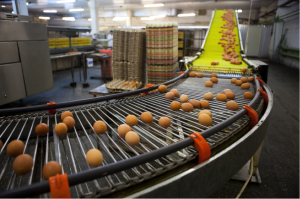
A food handling program teaches that cross contamination occurs when harmful bacteria spreads to food from other food, surfaces, hands or equipment. Cross-contamination commonly occurs if equipment used for raw food preparation is then used for cooked or ready-to-eat food. We’ll examine some preventative measures taken to eliminate cross contamination in the packaging industry, as well as what retailers in the UK are offering-up in their product lines to lower the risk of salmonella poisoning as well as other harmful risks associated with cross contamination. Food Safety Regulations Prompt Manufacturers to Reconsider Equipment Around the world, food manufacturers face mounting concerns about safety and.. READ MORE »

Expiration dates can be useful—they inform consumers of the last date by which a food product’s flavour or quality is best. However, they can also sometimes be misleading. Experts with food safety training know there are a wide range of products that can be safely eaten well past their best before dates, and some that consumers should avoid. Foods to be avoided include ground beef, deli meats, poultry, fresh berries, and soft cheeses made with unpasteurized milk. If you are planning to pursue a food safety diploma, read on to learn more about best before labelling, and which goods can.. READ MORE »

Studies performed by the Public Health Agency of Canada show that approximately one in every eight Canadians gets sick as a result of domestically acquired food-borne diseases. While Canada does have very strict food safety procedures, it is important to understand that there are many precautions that should still be taken to prevent the spread of food-borne illness. This includes ensuring that hands are clean and thoroughly washed before and after handling food, refrigerating prepared food, ensuring that food items are fully cooked before consumption, and much more. If you plan to pursue a food safety diploma, you will learn.. READ MORE »

Although nutrition labeling has been around for quite some time in the US and other parts of the world, did you know that it was only made mandatory for packaged foods in Canada in 2007? The history of nutrition labeling is full of food legislations and all kinds of administrations passing acts and amendments – very interesting stuff, especially if you’re pursuing food quality training. Nutrition labeling has certainly come a long way. Here’s a few examples of some of the biggest moments that affect the way we decide what we want to eat – and how the industry goes.. READ MORE »