

TL;DR
Understanding equipment qualification and process validation careers is essential for entering pharmaceutical quality roles. These processes ensure that equipment and manufacturing systems perform consistently in regulated environments. Learning validation principles is a key part of quality assurance training and prepares students for real-world pharmaceutical work.
Before any pharmaceutical product reaches the market, it must pass through a series of controlled, documented checks that prove it can be made safely and consistently. This behind-the-scenes work is where many equipment qualification and process validation careers begin.
In pharmaceutical manufacturing, reliability isn’t assumed; it’s demonstrated. Equipment must perform exactly as intended, and processes must produce the same quality outcome every time. These requirements shape how companies operate and define the daily responsibilities of professionals working in quality roles.
For those interested in pharmaceutical laboratory careers or broader quality functions, validation offers a practical entry point into the industry. It connects technical knowledge with real-world application, making it a key focus of modern quality assurance training and a valuable skill set for anyone preparing to work in regulated environments.
What Is Equipment Qualification in the Pharmaceutical Industry?
Equipment qualification is the process of verifying that machinery and systems used in pharmaceutical manufacturing operate according to predefined specifications. This ensures that equipment is suitable for its intended purpose and capable of producing consistent results.
The process typically involves multiple stages, beginning with installation verification and continuing through operational and performance checks. Each step confirms that the equipment functions properly under real-world conditions.
For those pursuing pharmaceutical validation jobs, understanding how equipment qualification works is essential. It provides the foundation for ensuring that all manufacturing activities meet regulatory standards.
Qualification vs Validation: What’s the Difference?
What is the difference between qualification and validation?
While the terms are often used together, they refer to different aspects of quality assurance. Qualification focuses on equipment, ensuring that it operates correctly and consistently. Validation, on the other hand, focuses on processes, confirming that manufacturing steps produce the desired outcome every time.
In practice, qualification supports validation. Equipment must first be proven reliable before it can be used in a validated process. This relationship highlights how interconnected these concepts are within regulated manufacturing environments.
For students developing regulated manufacturing skills, understanding this distinction is key to interpreting quality systems and documentation.

Validation documentation supports compliance in regulated environments.
Why Process Validation Matters Before Product Release
Process validation ensures that a manufacturing process consistently produces products that meet quality standards. Before a product is released to the market, companies must demonstrate that their processes are reliable and controlled.
This involves collecting data, analyzing performance, and confirming that variations are within acceptable limits. Without proper validation, there is no assurance that each batch will meet safety and efficacy requirements.
This is why validation is a central component of pharmaceutical quality assurance and quality control. It directly supports patient safety and regulatory compliance, making it one of the most important responsibilities in pharmaceutical manufacturing.
Do Entry-Level Roles Involve Validation Work?
Do entry-level pharmaceutical quality roles involve validation-related work?
Yes, many entry-level roles expose professionals to validation-related tasks. While new employees may not lead validation projects, they often support documentation, data collection, and routine checks that contribute to validation processes.
In roles connected to pharmaceutical laboratory careers, this might include assisting with testing, reviewing records, or ensuring procedures are followed correctly. Over time, this experience builds a deeper understanding of how validation supports quality systems.
This exposure makes validation knowledge highly valuable when starting a career in pharmaceutical quality.

Process validation confirms consistent product quality.
What Skills Help Students Understand Validation Faster?
Students who succeed in validation-focused roles often develop strong attention to detail and a structured approach to problem-solving. These skills help them interpret procedures, follow protocols accurately, and identify potential issues early.
In addition, familiarity with documentation practices is essential, as validation relies heavily on written records and traceability. Understanding how to analyze data and think critically about results also supports effective decision-making in quality environments.
These competencies can be developed through quality assurance training at AAPS College, where students gain both theoretical knowledge and practical experience.
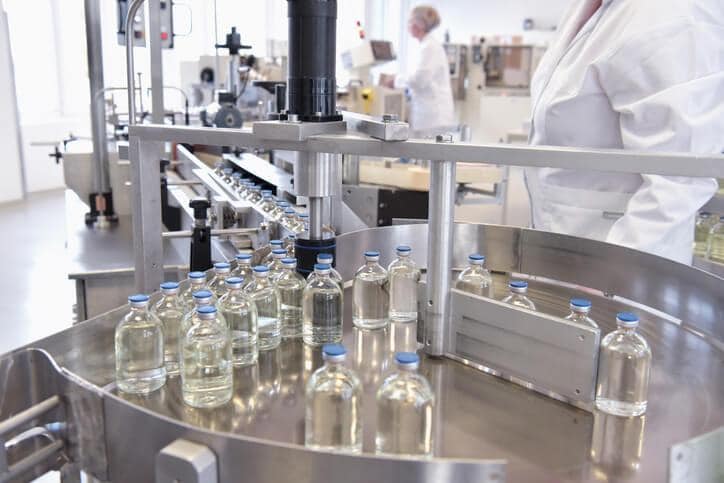
Quality assurance teams oversee validation activities in manufacturing.
Why Validation Skills Matter for Equipment Qualification and Process Validation Careers
Validation skills are highly transferable across different roles in the pharmaceutical industry. Whether working in quality assurance, production, or laboratory settings, professionals who understand validation processes are better equipped to contribute to compliance and efficiency.
As companies continue to operate in highly regulated environments, the demand for individuals with strong validation knowledge remains consistent. This makes equipment qualification and process validation careers a strong starting point for long-term growth in the industry.
Are you looking for a comprehensive Pharmaceutical Quality Assurance and Quality Control diploma program?
Contact AAPS College for more information.
Key Takeaways
- Equipment qualification and process validation careers are foundational to pharmaceutical quality roles
- Qualification ensures equipment works properly, while validation confirms process reliability
- Process validation is essential before product release to ensure safety and compliance
- Entry-level roles often involve supporting validation-related activities
- Strong attention to detail and documentation skills are critical for success
FAQ
What is equipment qualification in the pharmaceutical industry?
It is the process of verifying that equipment operates correctly and meets predefined specifications.
What is the difference between qualification and validation?
Qualification focuses on equipment, while validation ensures that processes consistently produce quality products.
Do entry-level pharmaceutical quality roles involve validation-related work?
Yes, many entry-level roles include supporting validation through documentation and data collection.
Why is process validation important before a product is released?
It ensures that manufacturing processes are reliable and produce safe, consistent products.
What skills help students understand validation processes more quickly?
Attention to detail, documentation skills, and analytical thinking are key to understanding validation effectively.