
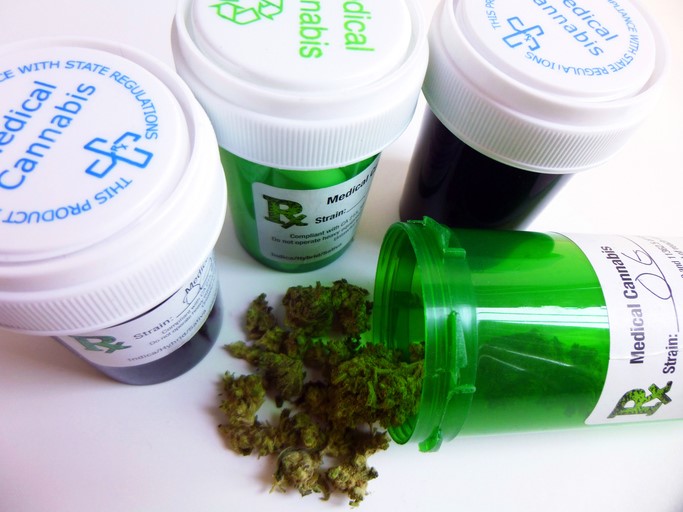
Medical marijuana is increasing in its importance in Canada, as it becomes a more and more common treatment option for people with a number of ailments and injuries. Though it’s often seen as a natural alternative to some of the synthetic compounds that are also commonly used in medicine, that doesn’t mean that there aren’t controls in place dictating how marijuana and marijuana-derived products should be packaged and sold. Labelling is a particularly important part of the process of creating and selling marijuana products, with producers expected to be very specific about how they present information about them. Want to.. READ MORE »

Fermentation is a method used in food production that is as old as human civilization. Involving the use of microorganisms (yeast, bacteria, or mold) to change the properties of food, it has brought the world alcoholic beverages and delicious foods like bread, yogurt, cheese, pickles, and much more. Fermentation has some interesting effects, which have made it a popular method of extending the lifespan of foods and of making interesting alterations to their flavours. Curious about what food fermentation has to offer? Here’s what students who want to work in quality control for food need to know. Fermentation Is a.. READ MORE »
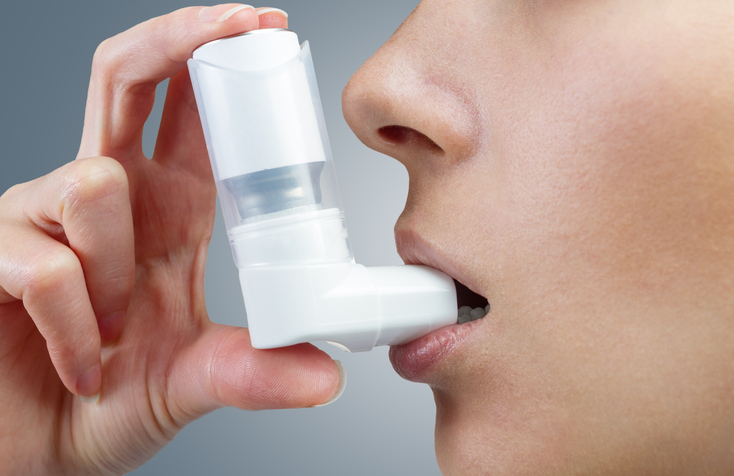
The process of developing modern medicines has been one of exploration, with numerous kinds of delivery mechanisms used for different forms of treatment. Today, people take medication that comes in a variety of forms—everything from injections into the bloodstream, to dermal patches, to capsules filled with powdered medication, and beyond. One less common delivery system that is nonetheless hugely important is aerosol delivery. An aerosol is a collection of solid or liquid particles mixed in with gas, and using this format to deliver medication can have a few advantages over other kinds. Here is a look at the two main.. READ MORE »

For many years, drugs were the only way to treat or mitigate the symptoms of a disease. But scientists around the world are working on a new approach that could eventually cure people with incurable diseases and even eradicate some diseases altogether. How do they plan to do this? Researchers are attempting to alter human beings at the most basic level using gene therapy. By introducing specific genes into a patient’s DNA, scientists believe they can drastically change medical care as we know it. Read on to learn more about gene therapy. Students in Drug Safety Courses May Know How.. READ MORE »

Do you want to start a promising career that allows you to help Canadians across the country stay safe and healthy? If you become a clinical trial and pharmacovigilance professional, you can do just that. Professionals in this field are responsible for the safety of drugs and medical devices. They also make sure that clinical trials are conducted safely and adhere to proper protocol. By ensuring that clinical trials run smoothly, pharmacovigilance professionals help expedite the process of getting life-changing pharmaceuticals to market. These pharmaceuticals can make a huge difference in the lives of people suffering from disease, illness, or.. READ MORE »

Vaccines are one of the most useful medical creations of all time. They involve introducing antigens—a substance that the immune system will attack, like dead or weakened viruses—into the body, typically via injection. This can allow people to develop immunities to a range of illnesses, and also to do a better job of fighting against illnesses they have. Many illnesses—like measles, mumps, polio, and more—were once incredibly deadly and affected many people. By preventing the spread of deadly diseases and helping people manage illnesses they already have, vaccines have saved millions of lives over the past centuries. Today, there are.. READ MORE »

Many pharmaceutical companies will develop, test, trial, and manufacture their own drugs and products. However, performing all of these duties is extremely time consuming and requires a lot of resources. Researchers, laboratory equipment, manufacturing equipment, and quality assurance personnel all come at a premium. Because of these costs, many pharmaceutical and biopharm companies are now outsourcing their manufacturing processes. Companies that provide this outsourcing service are called contract manufacturing organizations. As a future quality control and assurance professional, here’s what you need to know about contract manufacturing organizations. Contract Manufacturing Organizations Are Hired to Fulfill Many Duties Contract manufacturing organizations.. READ MORE »

Without proper quality control practices, laboratory procedures can run off the rails, potentially leading to disastrous consequences. For example, in the 1970s a product safety testing institution called Industrial Bio-Test Laboratories found itself at the centre of a serious scandal. The company was found to be actively involved in scientific misconduct and fraud by providing false testing results to the companies they were testing products for. Over one third of all of the United State’s toxicology testing was performed in their labs, making the impact of their errors catastrophic and leaving the industry forever changed. Because of this, in 1978.. READ MORE »

It is estimated by the Alzheimer Society of Canada that about 564,000 Canadians will suffer from dementia in 2016. Medical professionals will diagnose an additional 25,000 cases every single year, and by 2031 it is believed the number of patients suffering from dementia will rise to 937,000. Dementia is a huge problem not only in Canada, but across the globe. Unfortunately, there haven’t been any significant scientific breakthroughs that could slow the progress of the disease—until now. If you’re a student enrolled in a pharmaceutical program, you may understand the groundbreaking impact this scientific breakthrough could bring to dementia patients… READ MORE »

New drugs are developed, tested, processed, marketed, and then eventually released to the public every year. During their rigorous testing process, side effects arise in clinical trial patients and are noted by doctors. It is common for drugs to enter the market with a list of side effects, some being beneficial, but most being negative. These negative side effects are known as adverse effects. After a drug has been released to the market, there are systems in place so that healthcare professionals can report any new issues or serious reactions to drug. These are known as adverse drug reactions (ADRs)… READ MORE »