

Clinical trials play a vital role in advancing medical and scientific research. They are a necessary step for developing new drugs or treatments and for better understanding specific illnesses. If you pursue a career in clinical research, you may find yourself helping out in a clinical study in a number of ways, such as by coordinating studies or by serving as a monitor on one. You may also find yourself wondering why people choose to volunteer for clinical studies. The truth is that every person who volunteers for a study is unique and they all have their own reasons for.. READ MORE »

Students in clinical research training should be aware of direct patient reporting and its impact on pharmacovigilance programs. Here’s what you need to know.

Students in pharmaceutical school take note: pill regimens and daily injections could soon be replaced with advanced medical implants that do the dosing for you.
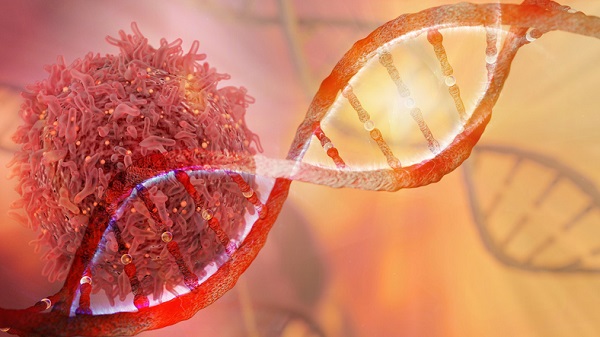
According to the World Health Organization, cancer is a leading cause of death in countries all over the world. In 2012, over 14 million people worldwide were diagnosed with cancer. In addition, these rates are only expected to rise, as current projections estimate an increase of 68 per cent by 2030. Here in Canada, an average of 221 people die every day from cancer. Although there are efficient means of treatment which restrict and limit new growth, there is no current cure or completely preventative therapy. New research, however, indicates a possible breakthrough involving a universal vaccine. What to Know.. READ MORE »

Asthma affects three million people in Canada, which is why treatments receive a lot of focus from professionals with a clinical research diploma. Learn more.

The complexities of the brain are staggering, so grads of clinical research courses are excited about a new link between magnets and memory recovery.

As many as 5.6 million prescriptions for sleeping pills are filled each year in Canada. Here’s a closer look at the fascinating history behind this medication.

Could the flu virus turn from foe to friend? Here’s what students with clinical research training need to know about its possible utility for fighting cancer.

Developing trials for orphan drugs after clinical research training can be a bit challenging. Find out why addressing the rarest of diseases may get tricky.

The development of a dependable influenza (flu) vaccine was a major breakthrough for public health. For centuries, societies had suffered from seasonal outbreaks of this debilitating infectious disease. Nowadays, the lethal effect of the flu has been tempered in part via vaccination programs, but the disease still poses an ongoing risk, especially to the young, old, and those with compromised immune systems. Here’s how the ongoing development and persistent research around the vaccine has turned it into one of our enduring public health achievements. It’s a wonderful look into the important role that clinical researchers have in keeping the public.. READ MORE »