
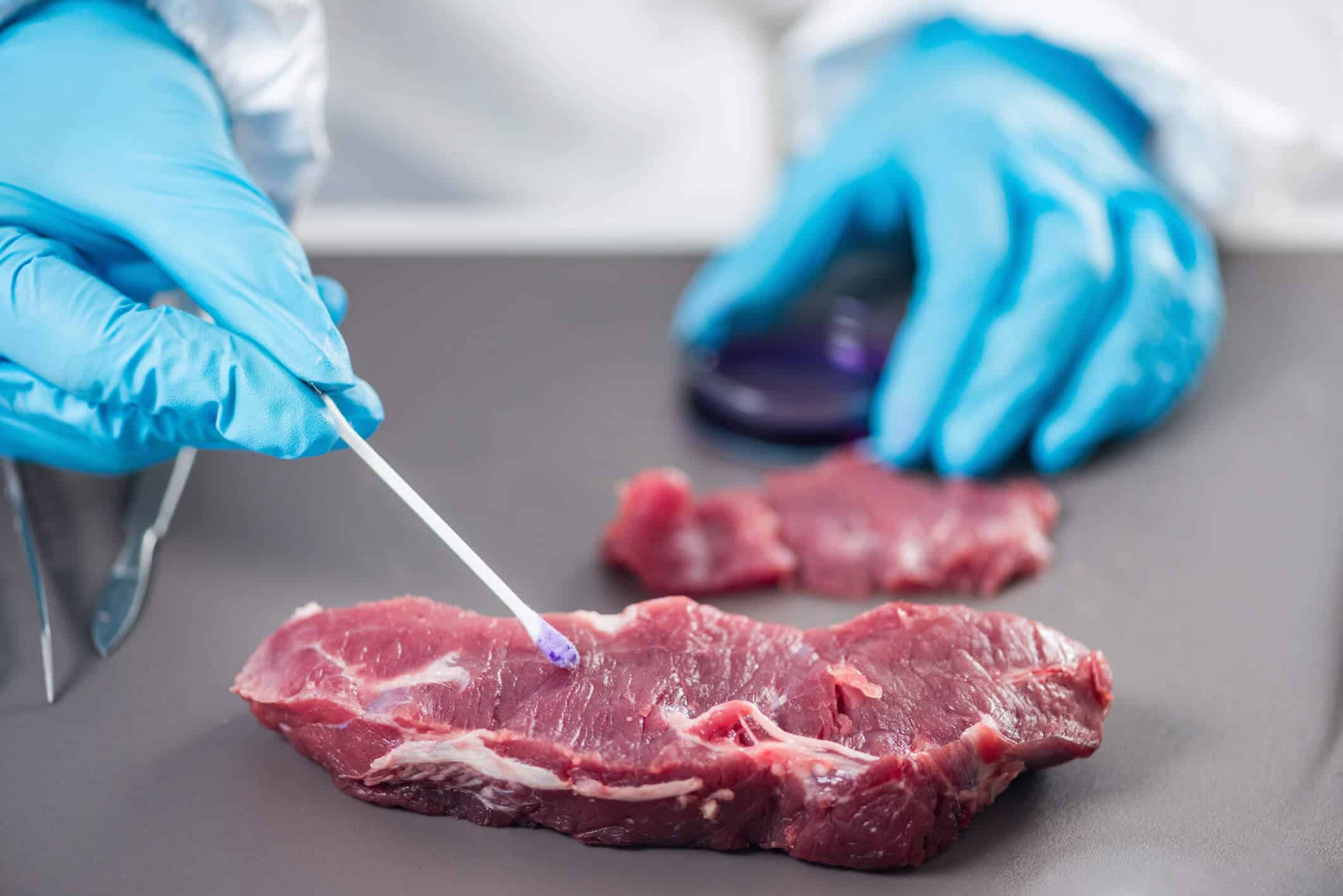
In Brief: Analytical Laboratory Instrumentation in Food Quality Testing
Analytical laboratory instrumentation in food quality testing helps manufacturers verify that food products are safe, consistent, and compliant with regulatory standards. Future food safety professionals benefit from understanding the food quality testing equipment and laboratory processes used throughout production. These practical skills prepare graduates for quality assurance, laboratory, and food manufacturing careers.
Food safety starts long before a product reaches a grocery store shelf. Every stage of production, from receiving raw ingredients to releasing finished products, depends on careful testing to verify quality, consistency, and regulatory compliance. Behind that testing is a wide range of analytical instruments that help laboratories detect contamination, confirm nutritional content, and ensure products meet strict specifications.
For students pursuing a food safety diploma, understanding analytical laboratory instrumentation in food quality testing provides valuable insight into how modern food manufacturers protect consumers and maintain product quality.
What Is Analytical Laboratory Instrumentation in Food Quality Testing?
Analytical laboratory instrumentation in food quality testing refers to the scientific instruments used to examine food products for their chemical, physical, and microbiological characteristics.
Depending on the product being tested, laboratories may use:
- High-performance liquid chromatography (HPLC)
- Gas chromatography (GC)
- Spectrophotometers
- Moisture analyzers
- pH meters
- Microbiological incubators
- PCR-based testing systems
- Analytical balances
This food quality testing equipment helps laboratories generate accurate, repeatable data that supports quality assurance and regulatory compliance.
Why Do Food Safety Professionals Need to Understand Lab Testing Equipment?
Even professionals who do not work as laboratory analysts benefit from understanding how testing supports production decisions.
Knowledge of laboratory instrumentation in food industry settings helps quality assurance professionals:
- Interpret laboratory reports
- Understand product specifications
- Investigate deviations
- Support regulatory inspections
- Communicate effectively with laboratory teams
- Participate in continuous improvement initiatives
Developing strong food analytical laboratory skills also helps professionals appreciate how scientific testing supports every stage of food manufacturing.
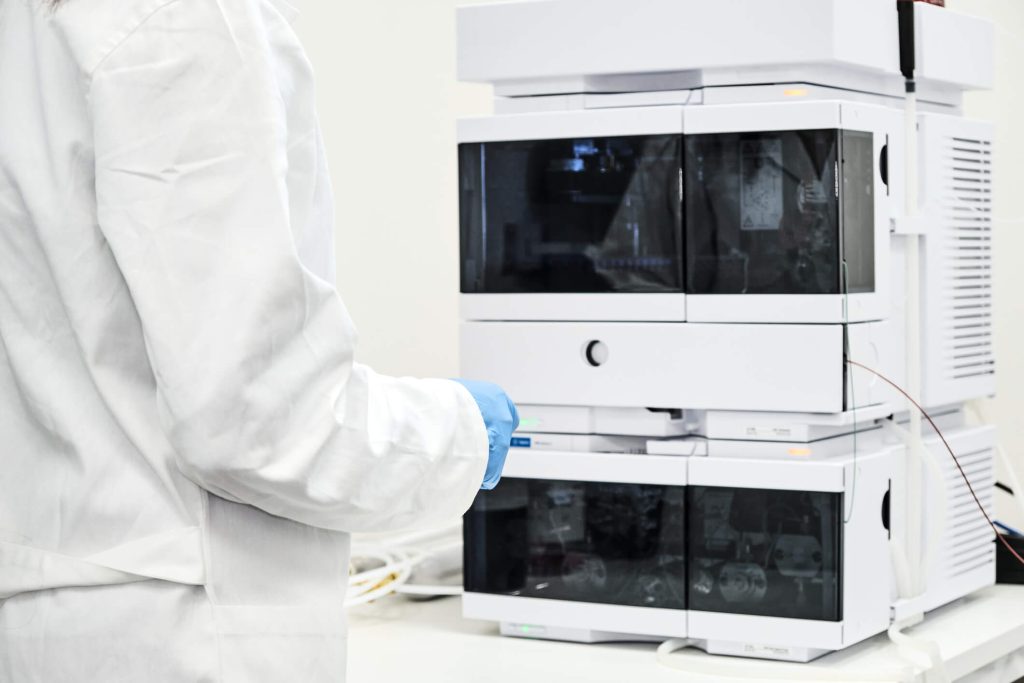
Students gain experience with analytical instruments used throughout the food industry.
What Kinds of Food Quality Issues Can Laboratory Instruments Help Identify?
What kinds of food quality issues can laboratory instruments help identify? Modern analytical instruments are used to detect a wide variety of quality and safety concerns, including:
- Microbial contamination
- Chemical contaminants
- Allergens
- Moisture content
- Nutritional composition
- pH and acidity levels
- Product stability
- Ingredient authenticity
The ability to identify these issues early allows manufacturers to correct problems before products reach consumers. Combined with strong recall readiness and traceability in food manufacturing, laboratory testing plays a critical role in protecting public health.
How Does Laboratory Testing Support Food Safety and Quality Assurance?
How does laboratory testing support food safety and quality assurance? Laboratory testing provides objective evidence that products meet established safety and quality requirements.
Quality assurance teams rely on analytical results to:
- Verify raw material quality
- Monitor production processes
- Confirm finished product specifications
- Support regulatory compliance
- Validate sanitation and environmental monitoring programs
- Document product release decisions
Rather than replacing good manufacturing practices, analytical laboratory instrumentation in food quality testing works alongside preventive food safety systems to strengthen overall quality management. The Canadian Food Inspection Agency’s food safety guidance for industry also highlights the role of preventive controls, traceability, recalls, investigations, and compliance requirements in maintaining safe food operations.

Food analytical laboratory skills support quality assurance and regulatory compliance.
Is Analytical Instrumentation Knowledge Useful for Entry-Level Food Industry Roles?
Absolutely. While entry-level employees may not immediately operate advanced laboratory equipment independently, understanding how testing supports manufacturing makes them more effective contributors.
Students enrolled in our food technology safety and quality diploma program develop foundational knowledge of food science, quality assurance, regulatory compliance, and food analytical laboratory skills that employers value across manufacturing, quality control, and laboratory environments.
At AAPS College, this connects to training in food chemistry, microbiology, safety management, quality assurance, and food regulations, helping students understand how laboratory data supports real food manufacturing decisions.
Learning how laboratory data supports production decisions also complements broader food safety training and the production associate role, helping graduates understand how every department contributes to producing safe, high-quality food products.
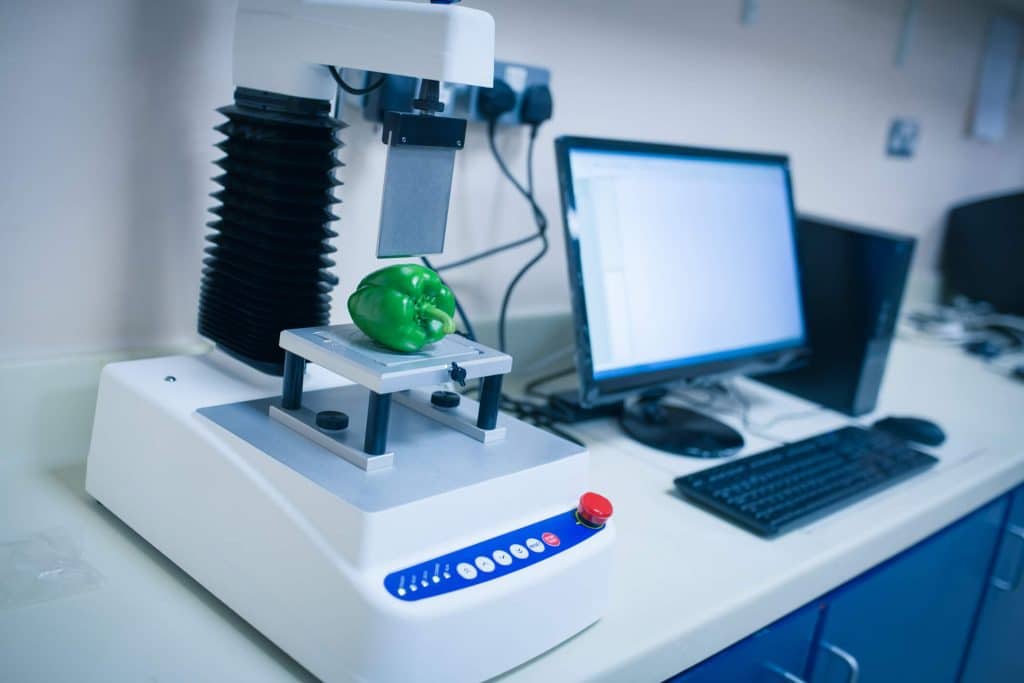
Modern food laboratories rely on accurate instrumentation to protect consumers.
Build Practical Knowledge for Food Safety Careers
Today’s food manufacturers depend on accurate laboratory data to maintain quality and protect consumers. By learning about analytical laboratory instrumentation in food quality testing, students develop a stronger understanding of modern food manufacturing systems and the scientific processes that support quality assurance. AAPS College prepares future professionals with industry-relevant knowledge that helps them contribute confidently in food safety and quality roles.
Would you like to explore more details about food safety training and the production associate role?
Contact AAPS College for more information.
Key Takeaways
- Analytical laboratory instrumentation in food quality testing supports accurate food safety and quality decisions.
- Modern food quality testing equipment helps identify contamination, verify product quality, and maintain compliance.
- Strong food analytical laboratory skills improve collaboration between laboratory and quality assurance teams.
- Understanding laboratory instrumentation in food industry settings prepares graduates for diverse food manufacturing careers.
- A food safety diploma provides foundational knowledge of laboratory testing, quality systems, and regulatory requirements.
FAQ
What is analytical laboratory instrumentation in food quality testing?
It refers to the scientific instruments used to evaluate food products for safety, quality, composition, and compliance with regulatory standards.
Why do food safety professionals need to understand lab testing equipment?
Understanding laboratory testing helps professionals interpret results, support quality assurance decisions, investigate problems, and collaborate effectively with laboratory teams.
What kinds of food quality issues can laboratory instruments help identify?
Analytical instruments help detect microbial contamination, allergens, chemical residues, moisture levels, nutritional composition, pH, and other quality characteristics.
How does laboratory testing support food safety and quality assurance?
Laboratory testing verifies that products meet established specifications, supports regulatory compliance, confirms product quality, and provides evidence for safe product release.
Is analytical instrumentation knowledge useful for entry-level food industry roles?
Yes. Understanding analytical testing helps entry-level professionals work more effectively in quality assurance, production, laboratory support, and food manufacturing environments.