
TL;DR
How AAPS College is different: AAPS College stands out by focusing on applied education, industry-aligned programs, and practical training that directly prepare students for the workforce. It is designed for learners who want career readiness, not just academic theory.
Choosing between a university and a career-focused institution can shape not only your education but also your entry into the workforce. Understanding how AAPS College is different begins with recognizing that its entire structure is built around employability, industry alignment, and individualized student support.
While universities often prioritize academic theory and research, AAPS College emphasizes applied education, technical competence, and direct career preparation. For students seeking a structured, workforce-oriented path, this distinction matters.
How AAPS is Different: A Focus on Applied Education in Canada
One of the clearest differences lies in educational philosophy. Traditional universities typically offer broad academic programs that may include research components and theoretical frameworks. These pathways are valuable for students pursuing academic or research careers.
AAPS College, by contrast, operates within the framework of applied education in Canada. Applied education focuses on practical competencies that translate directly into job performance.
Students don’t just study concepts; they practice documentation, compliance processes, laboratory procedures, and regulatory frameworks in structured environments that mirror industry expectations. To explore our institution’s background and mission, click here.
Industry Professionals, Not Career Academics
At many universities, professors are primarily focused on research, publishing, and academic advancement. Their expertise is often rooted in academia.
At AAPS College, instructors come directly from industry. They work, or have worked, for major international pharmaceutical, biotech, and regulated manufacturing companies. This means students learn from professionals who understand:
- Current regulatory expectations
- Real audit environments
- Employer hiring standards
- Practical laboratory challenges
- Industry documentation systems
Instead of learning theory in isolation, students gain insight into how compliance, quality systems, and regulatory inspections function in real-world operations.
This difference matters. Students in AAPS College programs are not just taught concepts. They are mentored by professionals who have applied them in high-stakes environments.

Industry-aligned programs prepare students for real-world expectations.
Smaller Classes Mean Real Hands-On Experience
Many institutions mention small class sizes. What makes AAPS different is what those smaller classes enable.
In large university labs, instructors often demonstrate equipment while students observe due to limited access and high student-to-equipment ratios. This can reduce meaningful hands-on exposure.
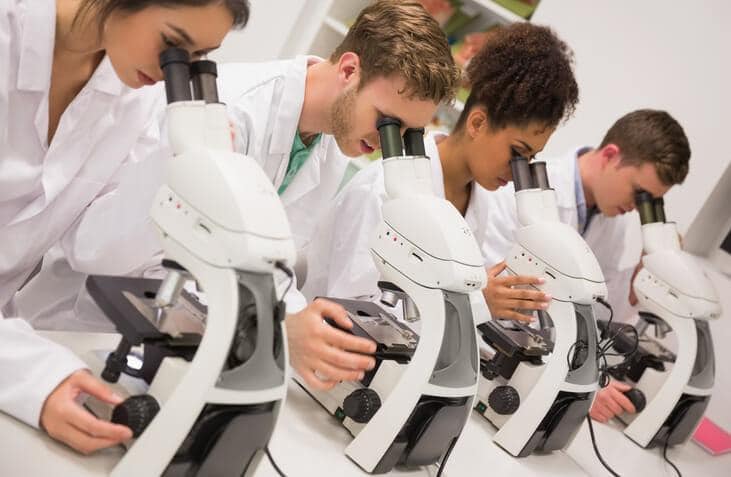
At AAPS College, smaller cohorts allow students to work directly with laboratory equipment. That means:
- Direct interaction with analytical instruments
- Repeated practice of testing procedures
- Closer supervision during applied lab sessions
- Immediate feedback on technique and documentation
Hands-on repetition builds technical confidence. In regulated industries, familiarity with laboratory workflow and equipment handling is critical. Observing is not the same as performing, and employers recognize that difference.
Curriculum That Adapts to Regulatory Change
Regulated industries evolve constantly. Health authority guidelines update. GMP expectations shift. Inspection trends change.
Traditional universities often require lengthy approval processes to modify their curriculum. As a result, program updates can lag behind current industry standards.
AAPS College serves regulated industries that cannot afford to fall behind. Because of this, the curriculum is structured to adapt quickly. When regulatory updates or best practices emerge, they can be incorporated into coursework without multi-year delays.
This agility ensures that students learn:
- Current regulatory expectations
- Updated compliance practices
- Modern documentation standards
- Emerging inspection focus areas
Students graduate aligned with today’s industry.

Smaller class settings support personalized instruction and feedback.
Career Services That Go Beyond Graduation
Another major differentiator is Career Services. AAPS provides comprehensive career support that extends well beyond classroom instruction. This includes:
- Resume development tailored to regulated industries
- LinkedIn profile optimization
- One-on-one interview preparation
- Professional presentation coaching
- Most importantly, networking access
With over 20 years in operation, AAPS has built a strong employer network. The college frequently hears about job openings early, sometimes before they are widely posted. This network creates opportunities that are not always accessible through public job boards.
Students are not left to navigate the job market alone. They receive structured, personalized guidance designed to accelerate workforce entry.
Individualized Attention
In large universities, students can easily become anonymous. Administrative systems are built to handle scale, and individualized tracking of career goals is often limited.
At AAPS College, each student is treated as an individual. Because of smaller class sizes and integrated career services, instructors and advisors understand:
- Each student’s strengths
- Areas requiring improvement
- Career interests
- Professional goals
This familiarity allows the institution to guide students intentionally, not generically. Whether a student aims to enter quality control, regulatory affairs, or manufacturing support, the college works directly with them to refine readiness and positioning.
This level of engagement is difficult to replicate in high-enrollment academic institutions.

Applied education in Canada bridges theory and workplace readiness.
Who Should Choose AAPS College?
AAPS College is well-suited for students who:
- Prefer structured, career-oriented training
- Want focused, industry-aligned education
- Value practical skill development
- Seek faster workforce entry
- Plan to work in regulated or technical sectors
Students who thrive in applied, hands-on environments and want clear professional direction often find this model effective.
Would you like to learn more about AAPS College?
Contact us for more information.
Key Takeaways
- Understanding how AAPS College is different begins with its applied education model.
- AAPS College emphasizes industry-aligned programs and workforce preparation.
- Practical training and documentation-focused learning mirror employer expectations.
- Smaller, career-focused environments support skill mastery.
- Students seeking direct career pathways may benefit from applied education models.
FAQ
How is AAPS College different from universities?
The distinction lies in mission and methodology. Universities prioritize academic exploration, research, and theoretical foundations. AAPS College prioritizes career readiness, applied education, and industry alignment.
Is applied education better for career readiness?
For many students entering regulated or technical industries, applied education can provide clearer pathways to employment.
Who should choose AAPS College?
AAPS College is well-suited for students who:
- Prefer structured, career-oriented training
- Want focused, industry-aligned education
- Value practical skill development
- Seek faster workforce entry
- Plan to work in regulated or technical sectors