
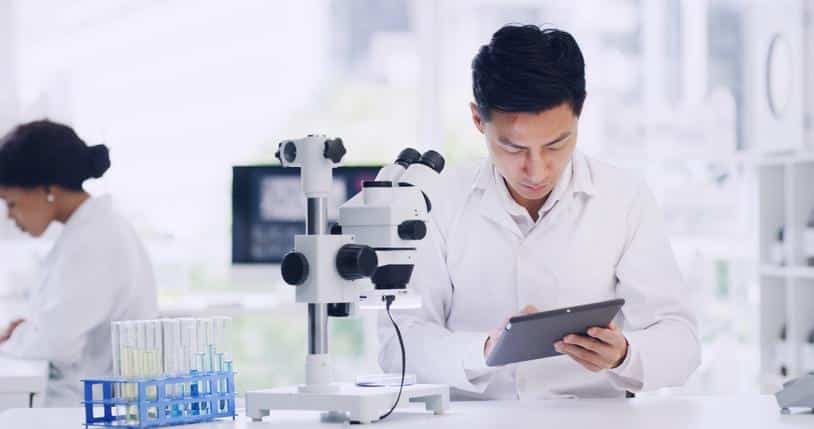
In Summary: How Research and Development Training Skills Come Together in Food and Pharma
Applied R&D turns a scientific question into a structured investigation. Projects move through methodology, experimentation, data analysis, interpretation, and communication. Laboratory technique matters, but so do documentation and critical thinking. R&D training brings these skills together through laboratory work, project development, data interpretation, documentation, and scientific communication.
A research project rarely begins with an instrument. It begins with a question.
Could a formulation perform better? Does an analytical method reliably measure what researchers need to know? How might a food product or process be improved? Answering questions like these requires more than laboratory technique. Researchers need to design an investigation, generate reliable data, interpret the results, and explain what they found.
Research and development training helps students learn how these stages connect as part of a complete investigation. In AAPS College’s Research and Development Food and Pharma Diploma, students bring laboratory, analytical, documentation, and communication skills together through R&D-focused coursework and project-based learning.
What Is Applied Research and Development in Food and Pharmaceuticals?
Applied research and development uses scientific investigation to address practical questions involving products, processes, formulations, analytical methods, quality, or safety.
In pharmaceuticals, that might mean developing or evaluating an analytical method. Food research and development can involve questions around product development, processing, testing, or safety.
The setting changes, but the underlying skill is similar: turn a defined problem into evidence that can support a reasoned conclusion.
How Does Research and Development Training at AAPS College Build Applied R&D Skills?
A project typically moves from defining a question to developing a methodology, conducting the work, analyzing data, interpreting findings, and communicating conclusions.
Each stage affects the next. A vague question makes methodology difficult to design. Poor experimental controls weaken the data. Results without interpretation are simply numbers.
The AAPS curriculum includes a dedicated R&D Project alongside Project Management, Good Laboratory Practices, Good Documentation Practices, and Technical Writing and Scientific Communication. Together, these areas show how an applied research project extends beyond time at the laboratory bench.
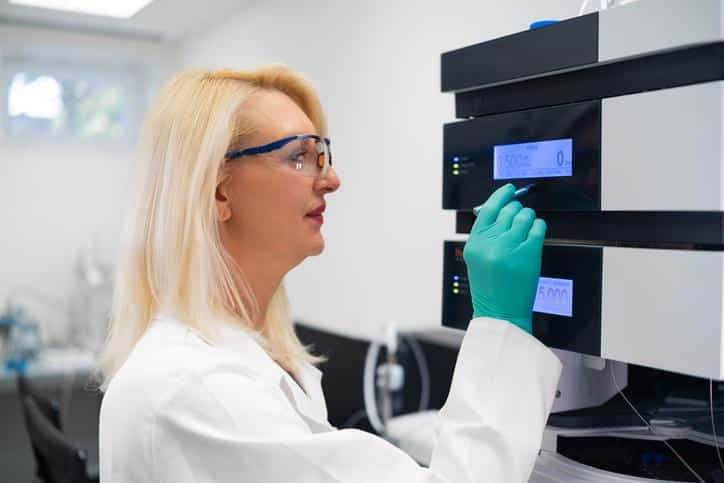
Laboratory methods such as HPLC can help researchers generate evidence for pharmaceutical R&D projects
How Do Researchers Turn a Scientific Question Into a Research Methodology?
They define what they need to investigate and select procedures, measurements, materials, controls, and analytical approaches capable of producing relevant evidence. Methodology should fit the research question rather than the other way around.
For pharmaceutical analytical work, this can include choosing suitable instrumentation and determining how method performance will be assessed. Health Canada states that analytical methods used for commercial drug release testing must be validated and that validation studies should follow a pre-approved protocol with results summarized in a final report.
Students can explore this process further through our discussion of pharmaceutical analytical method development.
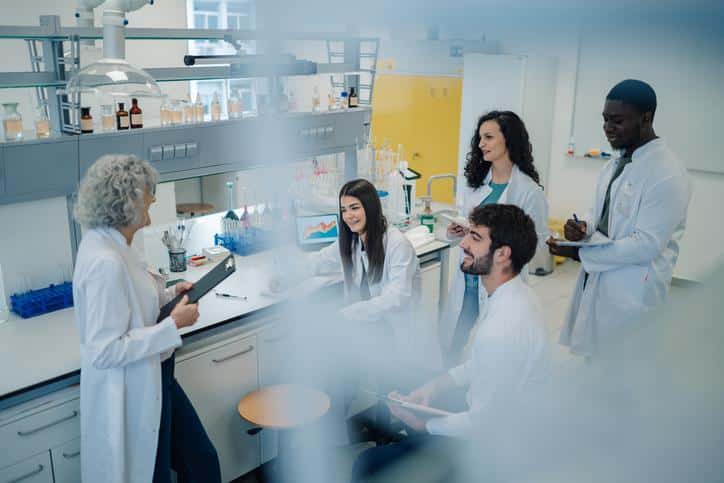
Data must be analyzed and interpreted before researchers can decide what their results mean
Why Are Data Analysis and Interpretation Important in Research and Development Training?
Data analysis organizes experimental results, while interpretation determines what those results mean in relation to the original research question.
Imagine two formulations produce different dissolution profiles. Recording the values establishes the result; interpreting whether that difference is meaningful requires scientific reasoning, knowledge of the method, and awareness of experimental limitations.
This is where an R&D project moves from collecting data to building evidence. Researchers also need to communicate that evidence clearly through reports, presentations, and discussions with other teams.
These skills support the wider work involved in pharmaceutical research and drug development in Canada.
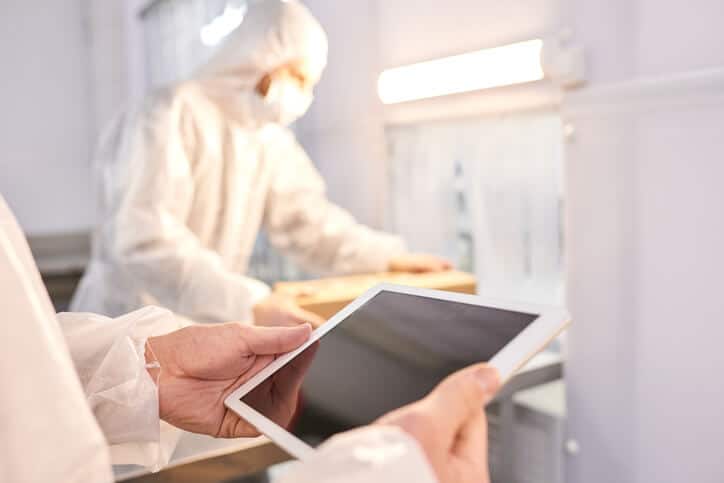
Food and pharmaceutical R&D combines technical laboratory work with documentation, communication, and problem-solving
The Laboratory Skills in Pharmaceutical R&D That AAPS College Instills
Useful skills include analytical chemistry, HPLC, dissolution testing, method development and validation, accurate documentation, and careful interpretation of laboratory data.
AAPS College’s pharmaceutical research training includes progressive HPLC and dissolution courses alongside pharmaceutical laboratory testing, formulation-related learning, analytical method development, and method validation.
The objective is not simply to learn how to operate an instrument. Researchers need to understand why a test is being performed, whether the method is appropriate, what the resulting data indicates, and how to document and communicate their conclusions.
That is how individual pharmaceutical R&D skills begin to function as an integrated research workflow.
Are you looking for a comprehensive Research and Development Food and Pharma Diploma program?
Contact AAPS College for more information.
Key Takeaways
- Applied R&D starts with a defined scientific question.
- Methodology determines how researchers generate relevant evidence.
- Laboratory results become useful when they are analyzed and interpreted.
- Documentation and scientific communication are integral R&D skills.
- Our program combines HPLC, dissolution, analytical chemistry, method development, R&D projects, and related food and pharmaceutical training.
FAQ
What is applied research and development in food and pharmaceuticals?
It is the use of structured scientific investigation to address practical questions involving products, formulations, processes, analytical methods, quality, or safety.
What are the main stages of an applied research project?
The main stages include defining a research question, developing the methodology, conducting the investigation, analyzing data, interpreting findings, and communicating conclusions.
How do researchers turn a scientific question into a research methodology?
They identify what needs to be measured or investigated and select suitable materials, procedures, controls, analytical techniques, and data-collection methods.
Why are data analysis and interpretation important in R&D?
Analysis organizes experimental results, while interpretation connects those results to the original research question and helps researchers develop evidence-based conclusions.
What laboratory skills are useful in pharmaceutical R&D?
Depending on the role, useful skills can include analytical chemistry, HPLC, dissolution testing, laboratory documentation, method development and validation, and data interpretation.