
GMP Training in Pharmaceutical Quality in Brief
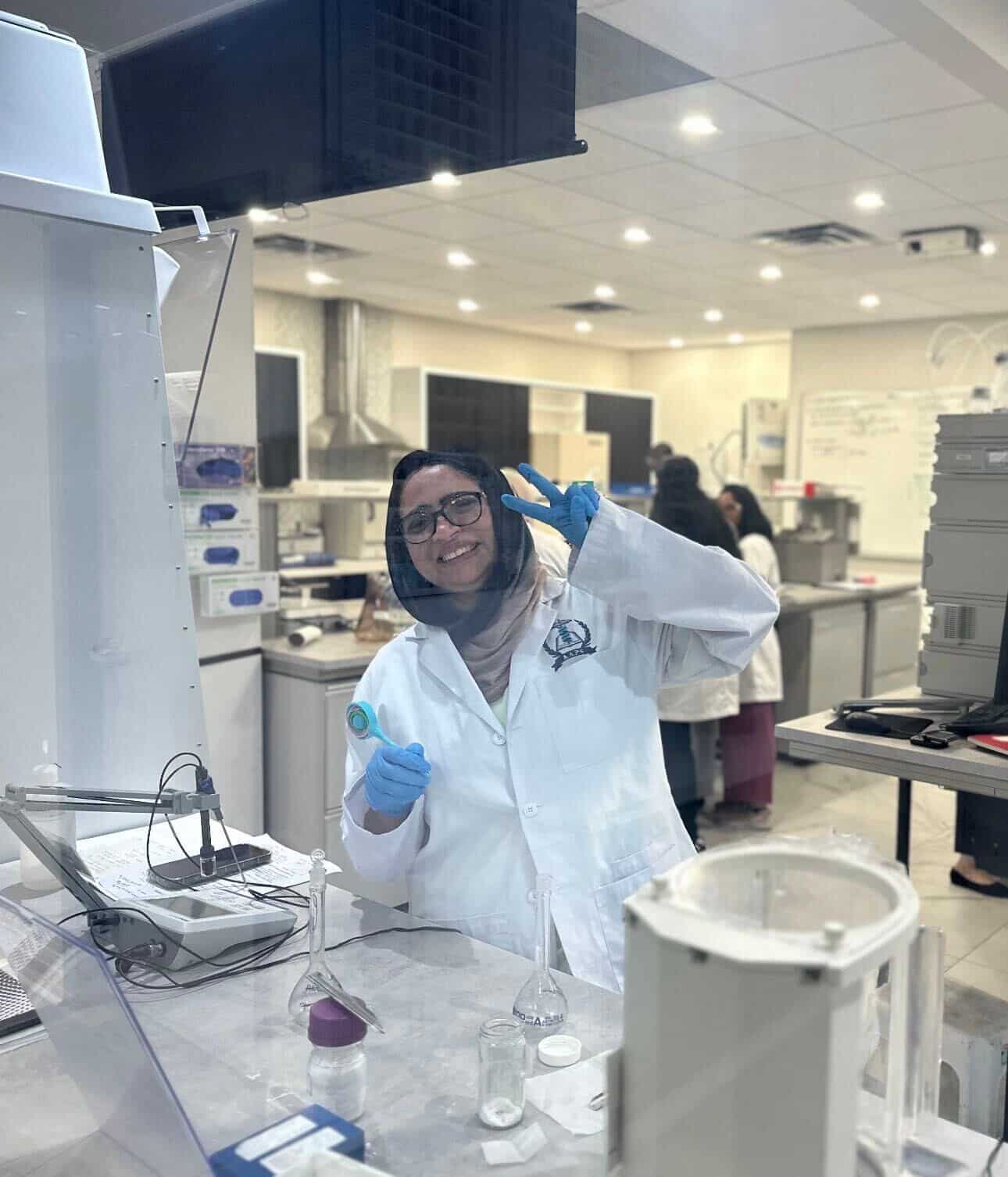
GMP training in pharmaceutical quality at AAPS College goes beyond introducing students to compliance terminology. In the 43-week Pharmaceutical Quality Assurance and Quality Control Post-Graduate Diploma, students work in a state-of-the-art laboratory that simulates a GMP environment while progressing through three levels of GMP coursework. They also develop practical skills in pharmaceutical laboratory testing, HPLC, dissolution testing, manufacturing methods, auditing, regulatory affairs, and scientific documentation.
A GMP rule can look straightforward on paper. Following it correctly while handling samples, recording results, using laboratory equipment, and maintaining traceable documentation is another matter.
That distinction is central to AAPS College’s approach to pharmaceutical quality education.
Students in the pharmaceutical quality assurance and quality control diploma at AAPS College do not study GMP as an isolated topic. The program combines GMP coursework with practical pharmaceutical analysis, quality assurance, regulatory affairs, manufacturing methods, and laboratory training. Courses are delivered by experts from the pharmaceutical industry, while students work in a laboratory designed to simulate a GMP environment.
What Are Good Manufacturing Practices in the Pharmaceutical Industry?
Good Manufacturing Practices (GMP) are quality systems that help ensure medicines are consistently produced and controlled according to established quality standards.
Health Canada’s GMP guidance covers areas including premises, equipment, personnel, sanitation, raw-material testing, manufacturing controls, quality control, records, and stability. These requirements help ensure that quality is built into pharmaceutical operations rather than relying only on testing the finished product.
At AAPS College, students encounter these principles progressively through Introduction to Good Manufacturing Practices (GMP) Level I, Intermediate GMP Level II, and Advanced GMP Level III.
That progression matters. Good manufacturing practices pharmaceutical training becomes more meaningful when students can connect regulatory requirements with the laboratory, manufacturing, documentation, and quality activities surrounding them.
What Does GMP Training in Pharmaceutical Quality Look Like at AAPS College?
It combines formal GMP education with hands-on laboratory and pharmaceutical quality coursework in a state-of-the-art facility that simulates working in a GMP environment.
The 43-week Toronto post-graduate diploma includes courses in:
- GMP Levels I, II, and III
- Pharmaceutical Laboratory Testing Levels I, II, and III
- Pharmaceutical Manufacturing Methods
- HPLC from introductory operation through method validation, technology transfer, and analytical method development
- Pharmaceutical Dissolution Testing
- Regulatory Affairs
- Chemistry, Manufacturing and Control
- Technical Writing and Scientific Communication
- Introductory and Advanced Auditing
Students also use instrumentation including HPLC, Karl Fischer titration, dissolution equipment, IR, and UV-Vis spectroscopy to analyze raw materials, in-process materials, and finished products.
This makes AAPS College’s GMP environment training much more specific than simply learning to put on PPE or reading an SOP. Students see how GMP principles intersect with the analytical and quality activities performed around pharmaceutical products.
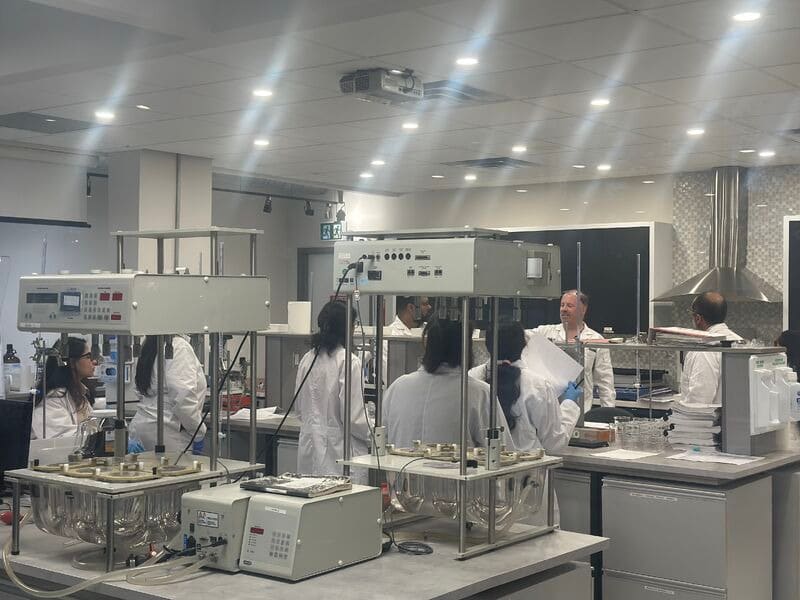
Documentation and compliance are essential parts of pharmaceutical quality training.
How Simulated GMP Environments Help With Training
Why does a simulated GMP environment matter? It gives AAPS College students an opportunity to develop regulated-workplace habits while they are still learning and receiving guidance.
Consider documentation. In a classroom discussion, it is easy to understand that records should be accurate. In a laboratory environment, students have to connect documentation with an actual activity: what was tested, how it was tested, what procedure was followed, and what result was obtained.
The same principle applies to following procedures, handling materials, using instrumentation, and maintaining consistency.
This is where pharmaceutical quality assurance training becomes practical. A simulated environment allows students to connect the reasoning behind GMP with the discipline required to perform pharmaceutical quality work.
AAPS College Connects GMP With Quality Control and Auditing
The diploma places GMP alongside analytical testing, method validation, regulatory affairs, technical writing, and two levels of auditing coursework. That combination reflects how interconnected pharmaceutical quality functions can be.
For example, students learning HPLC do not stop at introductory instrument use. AAPS College’s curriculum progresses into HPLC method validation and technology transfer and then analytical method development. Pharmaceutical laboratory testing likewise advances through three levels.
Students can further explore quality control training for industry roles and GMP audit best practices and compliance to understand how laboratory work, documentation, compliance, and inspection readiness fit together.
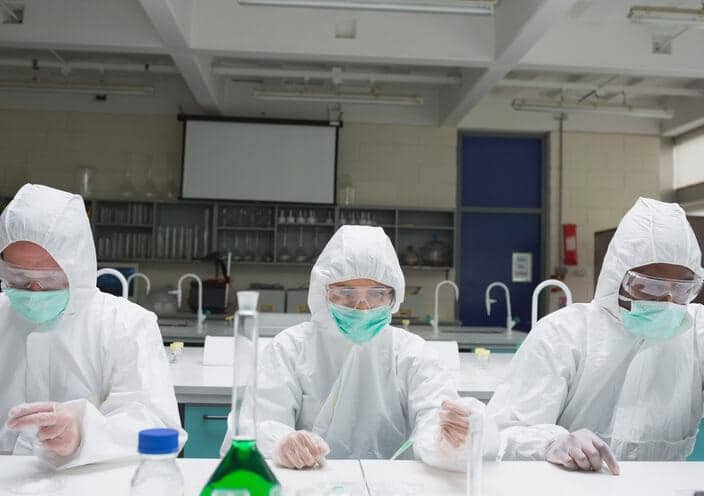
Students learn to follow GMP requirements before entering regulated workplaces.
How Can AAPS College Help Students Prepare for Pharmaceutical Quality Work?
How can AAPS College help students prepare for pharmaceutical quality work? Our Pharmaceutical Quality Assurance and Quality Control Post-Graduate Diploma combines industry-led instruction with practical laboratory training and a curriculum built around pharmaceutical analysis, QA, regulatory affairs, and GMP.
The result is not simply familiarity with GMP terminology. Students have opportunities to practise laboratory techniques, work with current analytical instrumentation, study manufacturing and auditing, and develop the technical and compliance-focused habits expected in regulated environments.
For someone considering GMP training in pharmaceutical quality, that practical context is important. Regulations explain what pharmaceutical organizations must achieve. Training in a simulated GMP environment helps students understand what meeting those expectations can look like in day-to-day quality work.
What Careers Can AAPS College’s Pharmaceutical Quality Training Support?
What careers can AAPS pharmaceutical quality training support? AAPS graduates from the program have pursued positions spanning quality assurance, quality control, validation, documentation, compliance, and laboratory analysis.
Roles listed by AAPS include:
- Quality Assurance Associate
- Quality Assurance Technician
- Quality and Compliance Specialist
- Document Reviewer
- Document Control Coordinator
- Process Validation Coordinator
- Quality Control Chemist
- Quality Control Coordinator
- Analytical Chemist
- Laboratory Analyst
- Stability Chemist
- Validation Chemist
Graduates may work in pharmaceutical, food, cosmetics, cannabis, and testing-laboratory environments.
For students interested in pharmaceutical compliance careers, this breadth is significant. GMP knowledge is not confined to one job title. It provides a regulatory foundation that connects laboratory testing, manufacturing, documentation, validation, quality assurance, and compliance.
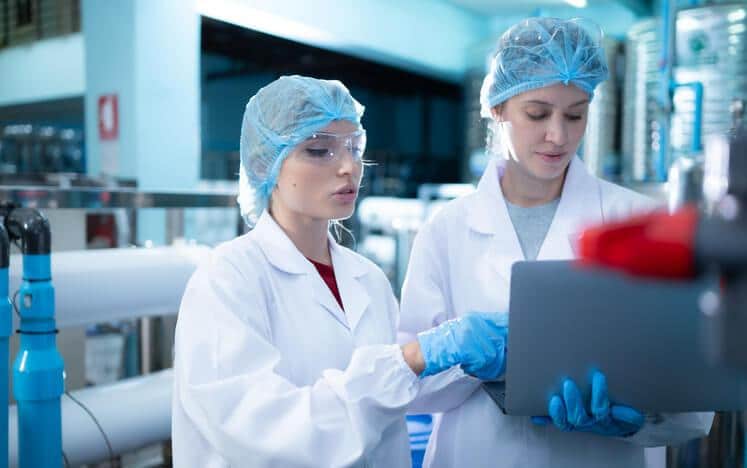
Hands-on learning builds confidence for careers in pharmaceutical quality assurance.
How to Build Confidence Before You Enter the Pharmaceutical Industry
Strong technical knowledge is only part of success in pharmaceutical quality. Employers also value professionals who understand compliance, documentation, consistency, and accountability.
Through GMP training in pharmaceutical quality and practical learning experiences that simulate real industry environments, students can develop the confidence and professional habits needed to contribute to regulated pharmaceutical operations from day one.
Are you looking for a comprehensive pharmaceutical quality assurance and quality control diploma program?
Contact AAPS College for more information.
Key Takeaways
- AAPS College’s 43-week Pharmaceutical Quality Assurance and Quality Control Post-Graduate Diploma is delivered in Toronto and includes a state-of-the-art laboratory that simulates working in a GMP environment.
- Students progress through introductory, intermediate, and advanced GMP courses rather than taking only a single introductory GMP module.
- Practical training includes pharmaceutical laboratory testing, HPLC, dissolution testing, Karl Fischer titration, IR, and UV-Vis spectroscopy.
- The curriculum connects GMP with pharmaceutical manufacturing, regulatory affairs, technical writing, method validation, technology transfer, and auditing.
FAQ
What are Good Manufacturing Practices in the pharmaceutical industry?
Good Manufacturing Practices are requirements and quality controls intended to help ensure drugs are consistently produced and controlled according to appropriate standards. Health Canada’s GMP guidance addresses areas including facilities, equipment, personnel, sanitation, manufacturing controls, testing, quality control, and records.
Why is GMP training important for pharmaceutical quality careers?
GMP training helps students understand how regulatory requirements translate into routine pharmaceutical activities such as following procedures, maintaining records, handling materials, performing testing, and supporting quality systems.
What does it mean to train in a simulated GMP environment?
At AAPS College, it means working in a state-of-the-art laboratory designed to simulate a GMP environment while developing practical pharmaceutical analysis and quality skills.
What practical pharmaceutical quality skills are taught at AAPS?
The program includes GMP, pharmaceutical laboratory testing, manufacturing methods, HPLC, dissolution testing, regulatory affairs, auditing, technical writing, method validation, and other QA/QC topics. Students also gain experience with instrumentation such as HPLC, Karl Fischer titration, IR, and UV-Vis spectroscopy.