
TL;DR
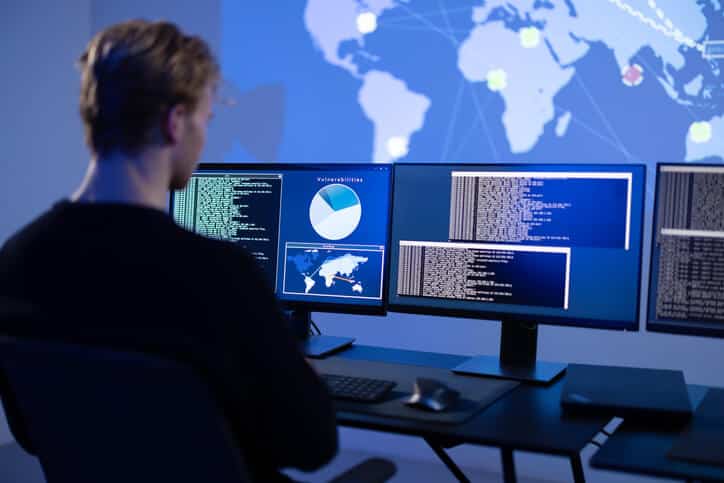
Understanding network segmentation and firewalls is an important part of building defensive cybersecurity knowledge. Entry-level professionals often learn how segmented networks reduce risk, how firewalls filter traffic, and how tools like Wireshark help analysts investigate network activity. Alongside concepts such as IDS, IPS, and VPN configuration, these skills help future cybersecurity professionals understand how organizations monitor, protect, and secure modern networks.
Cybersecurity is often associated with advanced hacking techniques and complex attack scenarios, but many real-world security practices begin with strong network fundamentals. For entry-level cybersecurity professionals, learning how networks are organized, monitored, and protected is one of the most valuable starting points for long-term success in the field.
That is why concepts like network segmentation and firewalls, traffic analysis, and packet monitoring continue to play such an important role in modern cybersecurity education. Students pursuing AAPS College’s Applied Cybersecurity Engineer Diploma are introduced to network defence, traffic analysis, segmentation, firewalls, VPNs, intrusion detection concepts, and secure network design as part of building practical cybersecurity knowledge. This helps connect foundational network concepts with the defensive skills used in entry-level cybersecurity environments.
What Is Network Segmentation in Cybersecurity?
One of the first concepts students encounter in defensive cybersecurity is network segmentation. Network segmentation involves dividing a network into smaller sections or zones rather than allowing every device and system to communicate freely with one another.
This approach helps organizations:
- Limit unauthorized access
- Reduce attack spread
- Improve traffic control
- Separate sensitive systems
- Strengthen overall security management
For example, a company may separate employee devices, guest Wi-Fi, financial systems, and critical servers into different network segments. If one area becomes compromised, segmentation may help prevent attackers from moving easily across the entire environment.
This is one reason network segmentation and firewalls are often taught together. Firewalls help enforce communication rules between these segmented areas.
At AAPS, these concepts connect to broader network security training, where students learn how defensive design choices and network security skills can help organizations control access, reduce exposure, and support safer network operations.
Why Are Firewalls Still Important in Modern Networks?
Despite the growth of cloud services and advanced cybersecurity technologies, firewalls remain one of the most important defensive tools in modern IT environments.
Firewalls help monitor and control incoming and outgoing network traffic based on predefined security rules. They act as filters between trusted and untrusted traffic sources, helping organizations block unauthorized access and suspicious activity.
Modern firewalls may help organizations:
- Restrict unwanted traffic
- Monitor network communication
- Enforce security policies
- Support remote access security
- Control application access
For cybersecurity students at AAPS, learning firewall concepts supports a stronger understanding of how organizations manage risk at the network level, enforce traffic rules, and apply layered security practices across modern environments. The Canadian Centre for Cyber Security identifies network controls and layered security practices as important parts of organizational cybersecurity defence.
In many cases, entry-level analysts may assist with reviewing firewall alerts, monitoring traffic patterns, or documenting firewall-related security incidents.
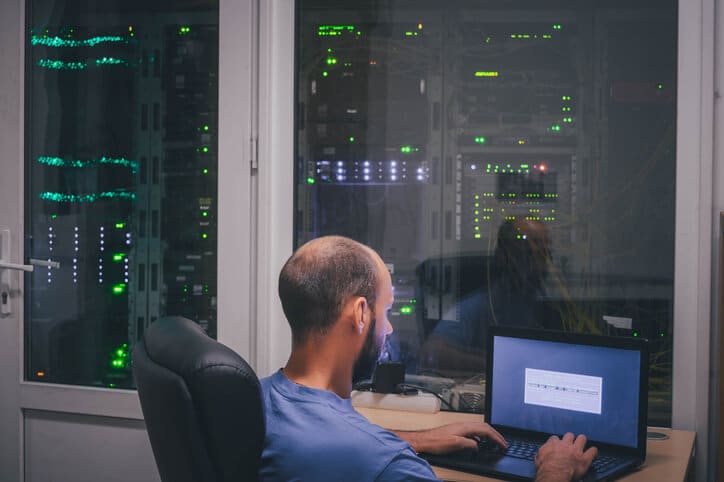
Network segmentation and firewalls play an important role in reducing cyber risk.
What Does Wireshark Help Students Learn?
For many beginners, learning Wireshark basics is one of the most practical introductions to traffic analysis and network visibility.
Wireshark is a packet analysis tool that allows users to capture and inspect network traffic in real time. Instead of viewing networks as abstract concepts, students can actually observe how devices communicate across a system.
By working with Wireshark, students can learn how to:
- Analyze packets
- Identify protocols
- Troubleshoot connectivity issues
- Investigate suspicious traffic
- Understand communication patterns
For many aspiring analysts, this hands-on visibility makes networking concepts easier to understand.
Traffic analysis also helps students develop stronger investigative thinking. Instead of simply memorizing terminology, they begin recognizing how real network activity behaves under normal and abnormal conditions.
This practical exposure is one reason Wireshark is included among the tools introduced in AAPS College’s cybersecurity training in Ontario, helping students connect packet analysis with real network visibility and troubleshooting concepts.
What Is the Difference Between IDS and IPS?
Students learning about network defence are also introduced to IDS and IPS technologies.
Although the terms sound similar, they serve slightly different purposes.
- An Intrusion Detection System (IDS) monitors network activity and generates alerts when suspicious behaviour is detected. However, an IDS typically does not stop traffic automatically.
- An Intrusion Prevention System (IPS), on the other hand, can actively block or prevent suspicious traffic based on security policies.
Both technologies help organizations identify potential attacks, policy violations, or unusual activity within networks. Within AAPS’s network security curriculum, intrusion detection concepts are part of a broader focus on defensive technologies, secure network design, and the practical decision-making needed to support cybersecurity operations.
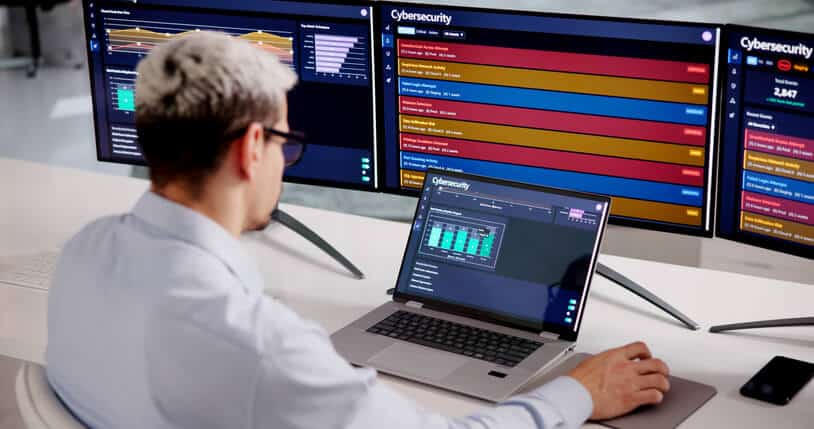
IDS and IPS systems help organizations detect and respond to suspicious network activity.
Why Should Beginners Understand VPNs and Traffic Analysis?
Remote work, cloud access, and distributed systems have made secure communication increasingly important for organizations.
This is where VPN configuration becomes relevant.
A Virtual Private Network (VPN) helps create encrypted connections between users and networks, helping protect sensitive information during transmission. For entry-level cybersecurity professionals, developing knowledge of VPN concepts supports broader knowledge of:
- Secure remote access
- Encryption
- Authentication
- Network communication
- Secure traffic routing
These areas align with AAPS’s coverage of network security, cryptography, identity and access management, and secure communications.
When combined with traffic analysis tools like Wireshark, VPN concepts also help students better understand how encrypted traffic behaves and how organizations protect remote users. As cybersecurity environments continue evolving, professionals who understand network behaviour and defensive technologies often develop stronger long-term technical foundations.
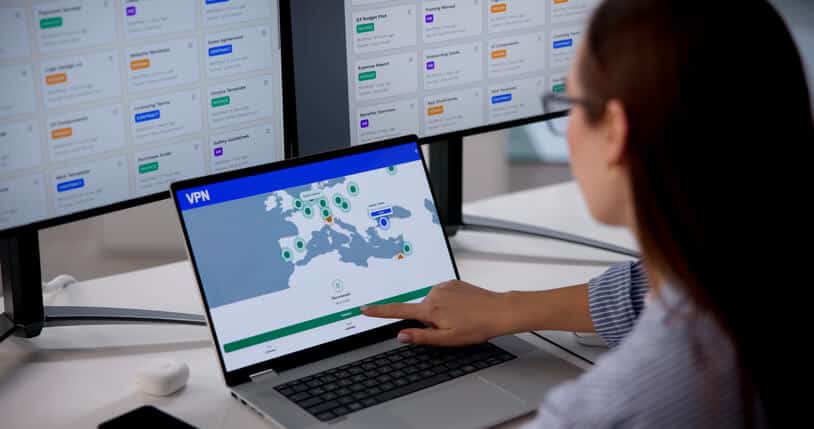
VPN configuration skills help cybersecurity professionals support secure remote access.
How Can AAPS Help Students Build Network Segmentation and Firewall Skills?
For many students, cybersecurity initially seems focused entirely on offensive tools and attack simulations. In reality, defensive network knowledge forms the backbone of many cybersecurity careers. Having experience in network segmentation and firewalls, packet analysis, traffic monitoring, and secure communication helps students build practical skills that apply across:
- Security operations
- Incident response
- Network administration
- Security analysis
- Threat monitoring
Students pursuing cybersecurity career training often discover that developing knowledge of network defence is just as important as understanding cyberattacks themselves.
Are you ready to build practical cybersecurity skills for today’s digital workplace? AAPS College’s Applied Cybersecurity Engineer Diploma introduces students to key areas such as network security, firewalls, traffic analysis, VPNs, intrusion detection concepts, and secure network design.
Contact AAPS College today to learn more about the program and take the next step toward a cybersecurity career.
Key Takeaways
- Network segmentation and firewalls help organizations reduce cyber risk and control network traffic
- Learning Wireshark basics helps students analyze and understand real network communication
- Firewalls continue playing a major role in modern cybersecurity defence
- Understanding IDS and IPS helps students recognize the difference between monitoring and prevention technologies
- Knowledge of VPN configuration supports secure remote communication and traffic protection
FAQ
What is network segmentation in cybersecurity?
Network segmentation involves dividing a network into smaller sections to improve security, control traffic, and reduce the spread of cyber threats.
Why are firewalls still important in modern networks?
Firewalls help filter traffic, enforce security rules, and block unauthorized access between trusted and untrusted systems.
What does Wireshark help students learn?
Wireshark helps students analyze network traffic, inspect packets, troubleshoot issues, and better understand communication protocols.
What is the difference between IDS and IPS?
An IDS detects suspicious activity and generates alerts, while an IPS can actively block or prevent harmful traffic automatically.
Why should beginners understand VPNs and traffic analysis?
Understanding VPNs and traffic analysis helps students learn secure remote communication, encryption concepts, and network behaviour monitoring.